Unpacking the Mechanics Behind Receipt Digitization Systems That Sync with Expense Management Platforms for Traveling Consultants
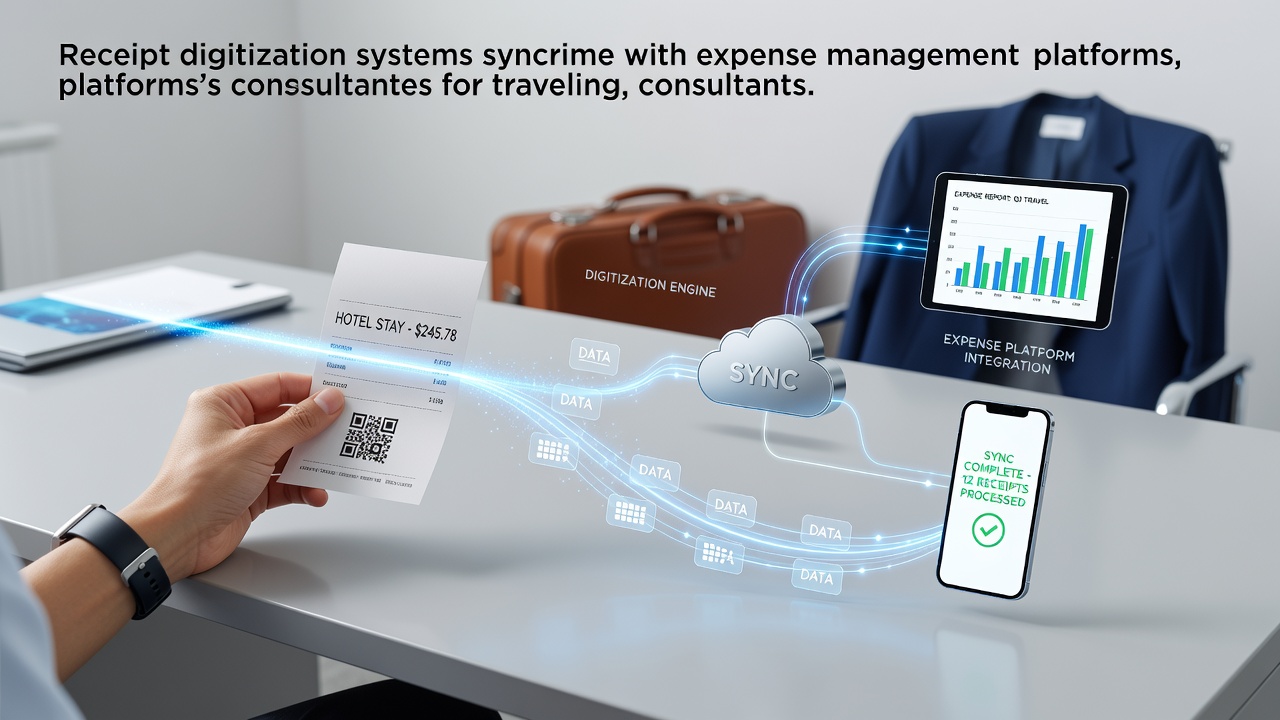
Receipt digitization systems convert physical or digital receipts into structured data that expense management platforms can process automatically, and these tools have become essential for traveling consultants who manage frequent submissions across multiple currencies and jurisdictions. The process begins with image capture through smartphone cameras or scanner integrations, followed by optical character recognition engines that extract merchant names, dates, amounts, tax details, and line items even from crumpled or low-light documents.
Core Technologies Driving Digitization
Optical character recognition forms the foundation, while machine learning models classify receipt types and validate extracted fields against known patterns from global vendors. Researchers have documented accuracy rates exceeding 95 percent in controlled tests when systems combine convolutional neural networks with natural language processing for language detection in international receipts. Data then moves through secure APIs to expense platforms where it populates fields such as project codes, client references, and reimbursement categories without manual re-entry.
Cloud-based processing handles the heavy computation, allowing consultants to upload receipts in real time from airports or client sites. Systems apply rules engines that flag anomalies like duplicate submissions or amounts exceeding policy thresholds before data reaches accounting teams. In June 2026 several platforms plan to roll out enhanced support for real-time currency conversion using live exchange rate feeds from central banks, which will reduce reconciliation errors during cross-border trips.
Synchronization Mechanisms with Expense Platforms
Integration relies on standardized APIs that push digitized receipt data into platforms such as those used by large consulting firms. Token-based authentication maintains security while webhooks trigger automatic updates whenever new receipts are processed. Observers note that bidirectional sync allows expense platforms to send approval status back to mobile apps, giving consultants immediate visibility into reimbursement timelines.
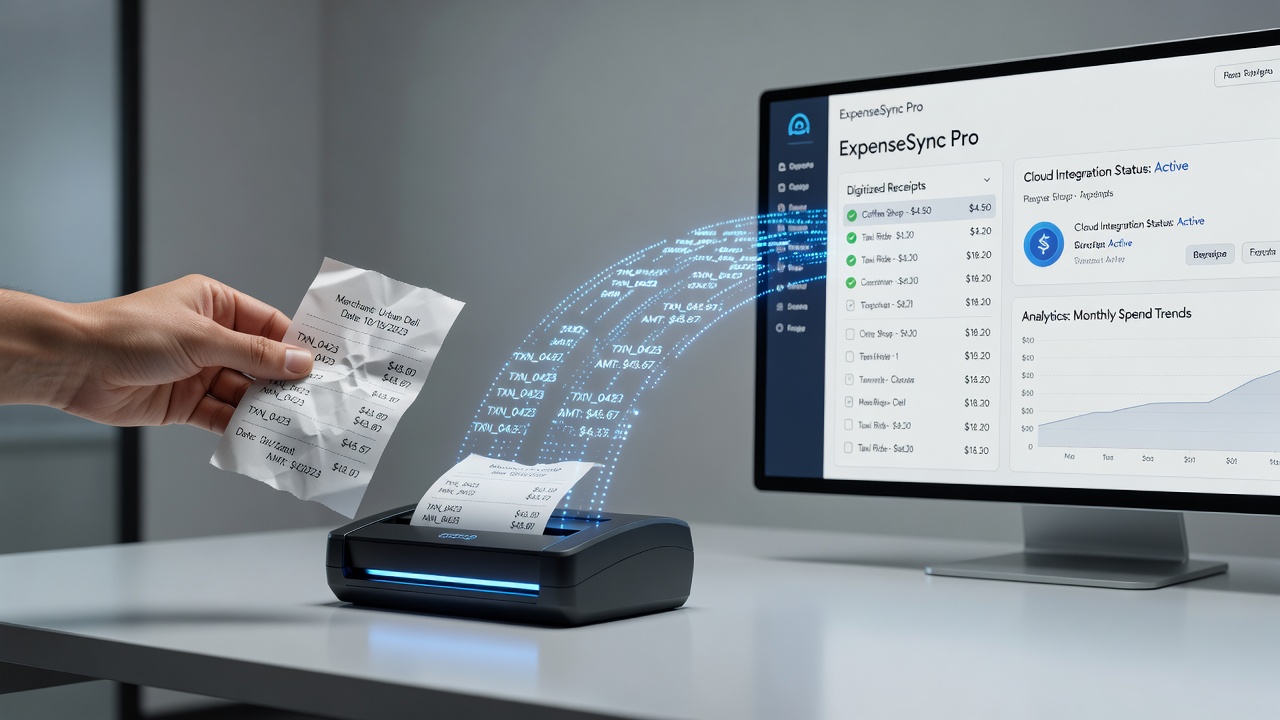
Traveling consultants often encounter receipts in multiple languages and tax formats, so digitization systems incorporate translation layers and regional compliance checks. For instance, European VAT numbers receive validation against official registries while Australian GST details follow separate formatting rules. Data shows these automated validations cut processing time by up to 70 percent compared with manual review, according to figures released by the Australian Taxation Office in its digital records guidance.
Handling International Travel Challenges
Consultants frequently deal with mixed payment methods including corporate cards, personal reimbursements, and local cash purchases. Digitization platforms detect payment types from receipt metadata and route entries to the correct ledger accounts. What's interesting is how these systems also capture ancillary details such as mileage logs from GPS integrations or hotel folio breakdowns that separate room charges from incidentals for tax purposes.
Security protocols encrypt receipt images during transmission and apply access controls that limit visibility to authorized finance personnel. Research from academic institutions indicates that end-to-end encryption combined with audit trails meets requirements set by regulatory bodies across North America and the European Union. Consultants report fewer lost receipts because mobile apps store offline copies until connectivity returns.
Data Flow and Compliance Automation
Once extracted, receipt data undergoes enrichment with metadata such as trip identifiers and client project codes pulled from calendar integrations. Expense platforms then generate reports that align with internal policies and external audit standards. But here's the thing: many systems now embed machine learning classifiers trained on historical data to predict which entries require additional documentation before submission.
Traveling consultants benefit from consolidated dashboards that track spending against per diem limits or client budgets in real time. Platforms pull in bank transaction feeds to match receipts automatically, reducing the chance of orphaned entries that delay month-end closes. In practice this means a consultant returning from a multi-city trip can finalize an entire expense report within hours rather than days.
Conclusion
Receipt digitization systems that sync with expense management platforms streamline workflows for traveling consultants by automating capture, extraction, validation, and integration steps. These tools rely on established technologies such as OCR and APIs while adapting to evolving compliance needs across regions. As updates scheduled for June 2026 demonstrate, continued refinements in currency handling and validation rules will further support accurate, timely reimbursements in global consulting environments.