Sequence Validation Methods Enhancing Precision in Recurring Cross-Border Deductions
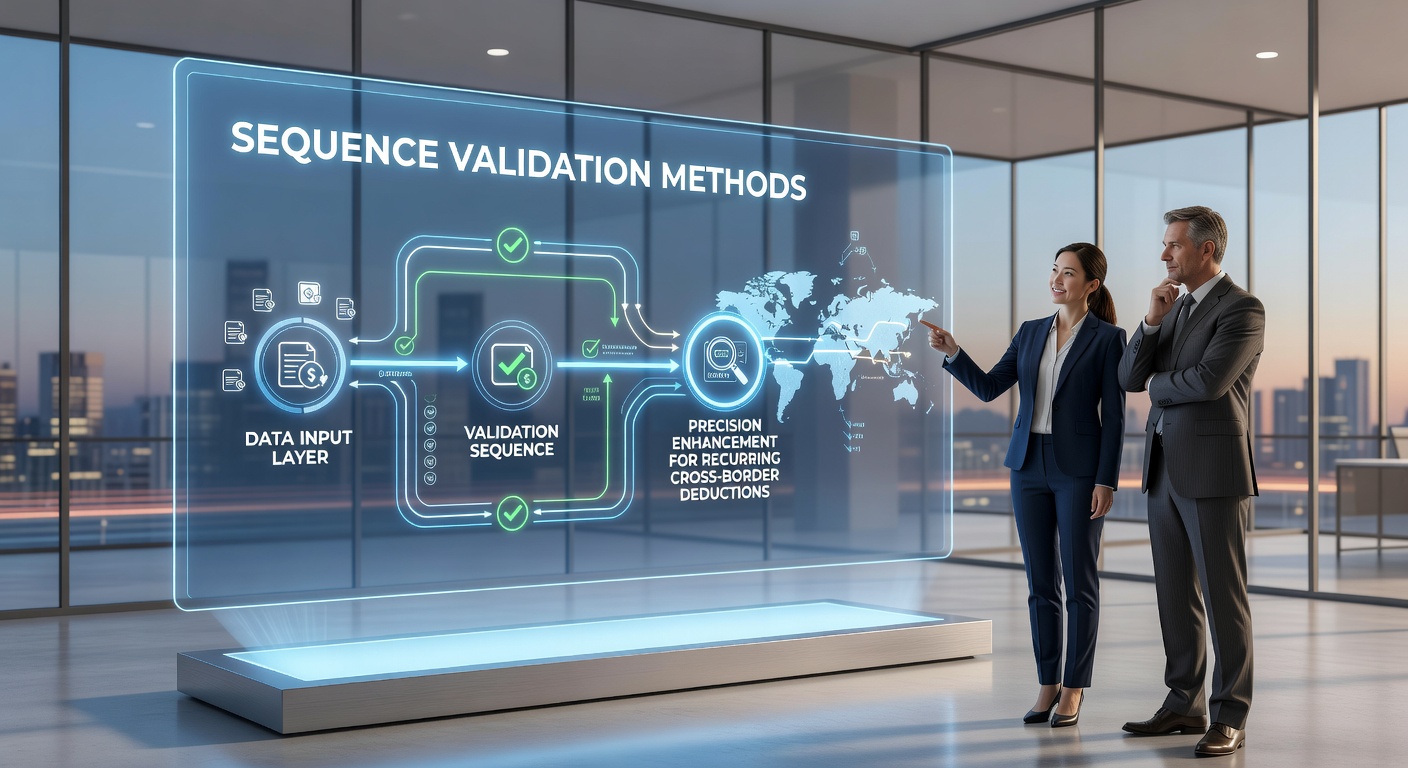
Financial institutions and payment processors rely on sequence validation to maintain accuracy when handling recurring deductions that cross national borders, and this approach addresses challenges like time zone differences along with varying regulatory requirements that can disrupt transaction order. Data from industry reports indicates that mismatches in sequence often lead to failed payments or compliance issues, particularly when deductions occur on schedules that span multiple jurisdictions.
Core Components of Sequence Validation
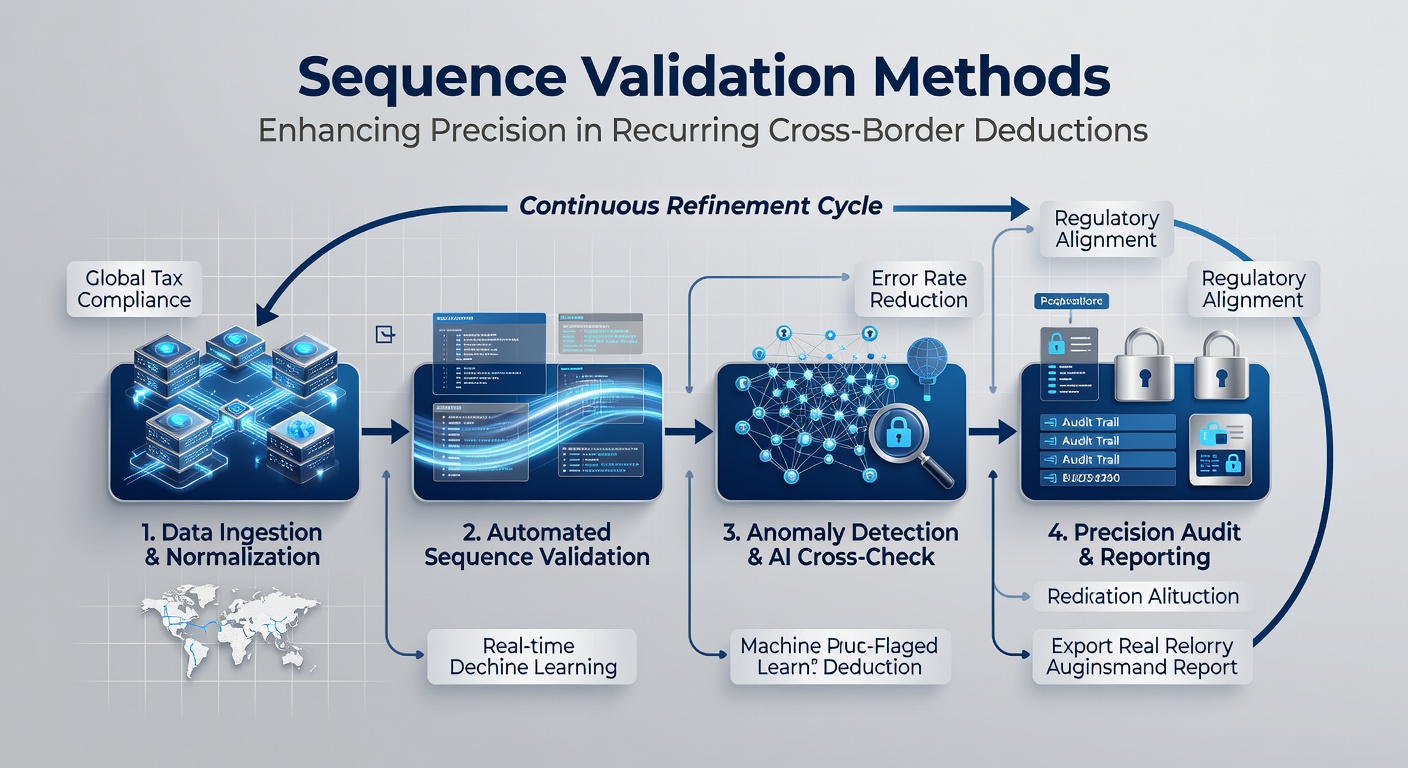
Sequence validation begins with timestamp synchronization across systems, where each deduction receives verification against a standardized clock to prevent out-of-order processing that might arise from network delays or regional server differences. Researchers at institutions such as the University of Melbourne have documented how these checks integrate with checksum algorithms, creating unique identifiers for each recurring entry that confirm both the position in a series and the integrity of associated data fields like amount and currency conversion rates.
Additional layers include reference number sequencing, which assigns incremental codes to deductions and cross-checks them against previous cycles, ensuring that skipped or duplicated entries trigger alerts before funds move. This method proves especially useful in environments where recurring payments support services like software subscriptions or utility billing for international clients, because it aligns merchant records with processor reports without relying solely on batch reconciliation at month end.
Application in Cross-Border Contexts
Cross-border deductions introduce variables such as foreign exchange fluctuations and local banking holidays, so sequence validation incorporates rule-based engines that adjust expected timing based on jurisdiction-specific calendars. Observers note that these engines draw from centralized databases maintained by organizations including the European Central Bank, which publish guidelines on transaction ordering to reduce errors in automated flows. In practice, a processor handling deductions from European customers to an Asian service provider might validate that a May cycle deduction follows the April one by confirming sequential identifiers before authorizing the transfer.
What's interesting here is how validation extends to exception handling, where systems flag sequences that deviate from established patterns and route them for manual review rather than allowing automatic retries that could compound compliance risks. Figures from regulatory filings reveal that such proactive checks have lowered dispute rates in multi-country operations by aligning deduction logs with audit trails required under frameworks like those from the Australian Securities and Investments Commission.
Technological Implementations and Recent Developments
Many platforms now embed sequence validation within distributed ledger setups, allowing each deduction to carry a cryptographic link to its predecessor and thereby create an immutable chain that resists tampering across borders. This setup gained traction following updates discussed in industry forums during early 2026, with further refinements anticipated around May 2026 as new interoperability standards emerge from collaborative efforts between North American and Asian financial networks. Those who've studied these systems report that the ledger approach reduces reconciliation time because validation happens in real time rather than through post-transaction audits.
Integration with machine learning models adds another dimension, where algorithms trained on historical deduction patterns predict and correct potential sequence breaks caused by sudden regulatory changes in one country that affect timing elsewhere. Evidence from pilot programs shows these models flag anomalies faster than rule-only systems, particularly when deductions involve variable amounts tied to usage metrics collected from global users.
Challenges and Mitigation Strategies
Despite these advances, sequence validation faces hurdles when dealing with legacy banking infrastructure in certain regions, where older systems transmit data in batches that disrupt continuous sequencing. Mitigation often involves middleware layers that translate and reorder entries before they enter the validation pipeline, preserving precision without requiring full system overhauls. Data indicates that companies adopting this hybrid model experience fewer interruptions during peak deduction periods, such as quarterly renewals that coincide with fiscal year ends in different countries.
Regulatory variations also demand flexible validation rules, since one jurisdiction might require proof of sequence for tax reporting while another focuses on consumer protection timelines. Processors address this by maintaining modular rule sets that activate based on the origin and destination of each deduction, allowing compliance teams to update parameters without halting ongoing operations.
Conclusion
Sequence validation continues to evolve as a foundational element for precise management of recurring cross-border deductions, combining timestamp checks, cryptographic links, and adaptive algorithms to handle the complexities of international financial flows. As standards develop further in 2026, organizations that implement these methods position their systems to meet both operational demands and regulatory expectations across diverse markets.