Regional compliance calendars reshaping authorization sequences for utility collections across provincial networks
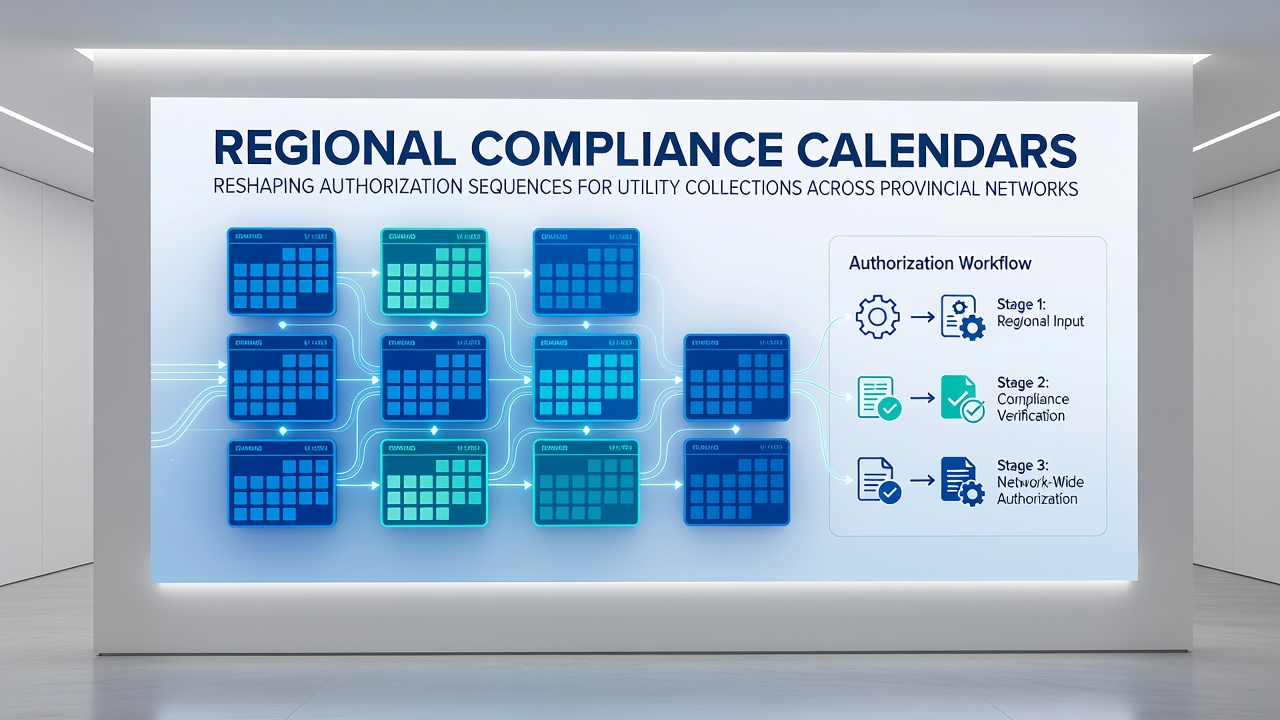
Regional compliance calendars have started to influence how authorization sequences operate in utility collections that span multiple provincial networks, and data from energy regulators shows these timelines dictate when payment requests receive processing approval. Utilities operating across borders must align their deduction sequences with varying deadlines for tax filings, reporting periods, and consumer protection rules that differ by province. Research indicates that mismatches between these calendars and standard authorization flows create delays in revenue cycles, particularly when collections involve automated deductions from customer accounts in interconnected grids.
Mechanics of Compliance Calendar Integration
Provincial networks handle utility collections through sequenced authorizations that verify account status, confirm regulatory adherence, and execute transfers, while calendars impose hard cutoffs for documentation submission. For instance authorities in one region may require monthly reconciliation reports by the 15th whereas adjacent provinces enforce quarterly reviews tied to fiscal year starts. Observers note that these staggered requirements force operators to adjust authorization timing so that collections clear before compliance windows close, and systems now incorporate calendar feeds that flag upcoming deadlines automatically. Data shows networks using synchronized platforms reduce rejected sequences by coordinating with provincial filing dates rather than relying on uniform national schedules.
Effects on Cross-Provincial Authorization Flows
Authorization sequences in utility collections now incorporate buffer periods around regional deadlines to accommodate reviews from multiple oversight bodies. Studies from energy sector analyses reveal that collections scheduled near overlapping provincial deadlines experience higher scrutiny, prompting operators to shift sequences earlier or later based on calendar mapping tools. In practice this means a collection run initiated in one province might pause until verification clears in another, and integrated software tracks these dependencies across networks. Figures from regulatory filings demonstrate that utilities managing collections in three or more provinces report 20 to 30 percent more sequence adjustments during peak compliance months compared to single-province operations.

Examples from Provincial Implementations
One network spanning western provinces adjusted its monthly utility collections after new environmental reporting rules took effect, and operators moved authorization triggers forward by five days to align with updated filing calendars. Eastern provincial grids have incorporated similar shifts around consumer billing transparency mandates that require pre-approval checks before deductions proceed, according to reports from the Canada Energy Regulator. In these cases sequences now include automated holds that activate when calendars signal upcoming deadlines, preventing collections from processing during restricted windows. Data from industry reports shows these adjustments maintain collection rates while satisfying varied provincial requirements without manual intervention in every case.
Technical Adjustments in Network Systems
Utility collection platforms integrate compliance calendar APIs that feed real-time deadline information into authorization engines, and this setup allows sequences to reroute or delay based on provincial rules. Researchers have observed that networks without such integrations face increased exception handling when calendars shift due to holidays or regulatory updates, whereas connected systems handle changes through predefined rulesets. For collections involving multi-province customers the sequence validation now checks against each relevant calendar before final approval, and evidence suggests this layered approach cuts compliance violations. Operators track these modifications through dashboards that highlight upcoming constraints across all jurisdictions served by the network.
Timeline Shifts Anticipated for 2026
Updates scheduled for July 2026 will introduce standardized reporting intervals in several provinces, and utility operators have begun mapping authorization sequences to these forthcoming changes. The adjustments will require sequences to account for simultaneous filings in multiple regions rather than sequential ones, and preliminary tests indicate that networks using dynamic calendar synchronization handle the transition with fewer disruptions. Provincial regulators continue to publish draft calendars that detail these intervals, allowing collection systems to incorporate the data ahead of implementation.
Conclusion
Regional compliance calendars continue to drive modifications in authorization sequences for utility collections across provincial networks through deadline alignment, system integrations, and proactive adjustments. Networks that map sequences to these calendars maintain operational continuity while meeting varied regulatory demands, and ongoing developments such as the July 2026 updates will further refine these processes. Data from regulatory bodies and sector analyses confirms that calendar-aware authorization flows support consistent collections without compromising compliance across interconnected provincial systems.