Infrastructure Demands for Contactless Fare Collection Systems in Urban Transit Networks
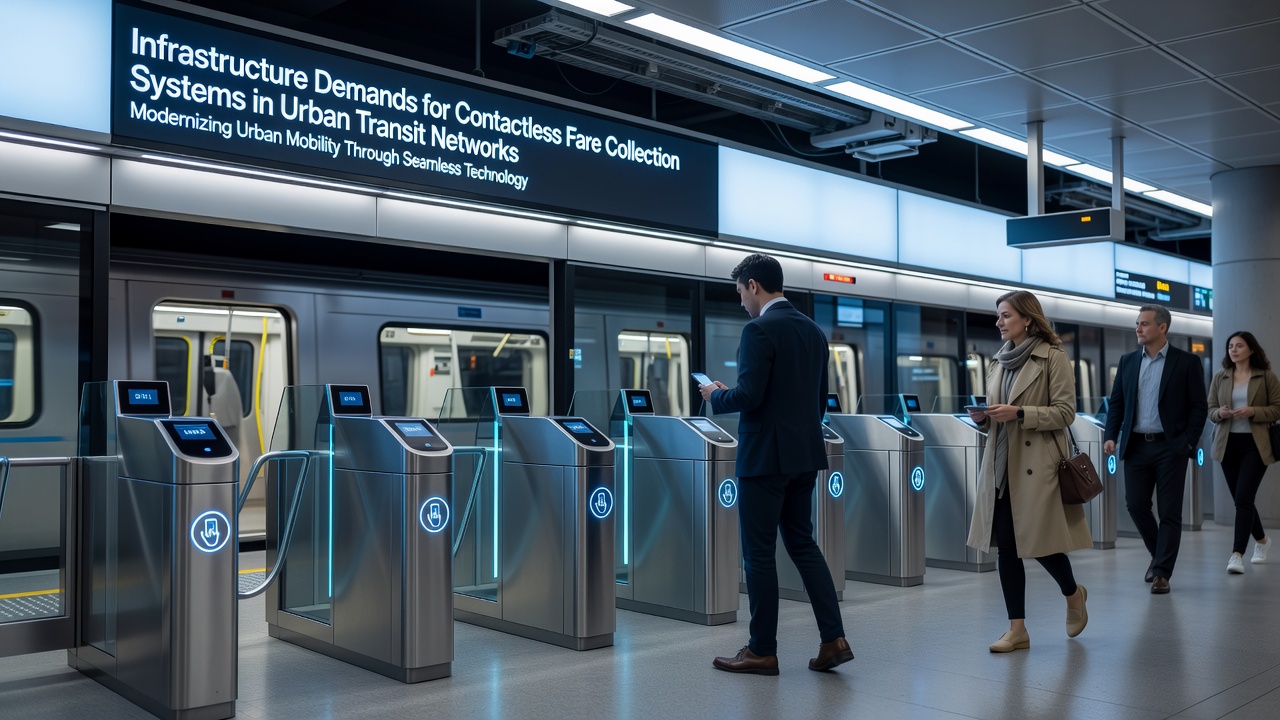
Urban transit networks rely on contactless fare collection systems to process millions of daily transactions through NFC-enabled cards, mobile wallets, and embedded sensors at gates and vehicle entry points, and these setups place specific demands on physical hardware, network connectivity, and backend processing capacity. Cities expanding these systems must address the need for readers that handle high-volume taps without delays while integrating with existing signaling and passenger information platforms.
Hardware and Reader Placement Requirements
Transit operators install contactless readers at turnstiles, bus doors, and platform validators, and each unit requires stable power supplies along with environmental protections against weather and heavy use. Research from transportation agencies shows that durable enclosures and redundant power circuits become essential in outdoor installations where temperature fluctuations and vibration can affect performance. Observers note that placement strategies often involve positioning readers at multiple heights to accommodate different passenger flows, including those using wheelchairs or carrying luggage.
Studies indicate that urban networks such as those in major European and North American cities have upgraded to readers supporting multiple protocols including EMV contactless standards and proprietary transit cards. These upgrades demand reinforced mounting structures and cabling pathways that avoid interference with existing electrical systems, and maintenance crews perform regular calibrations to maintain accuracy during peak rush hours.
Network Connectivity and Data Processing Needs
Real-time authorization requires reliable connections between readers and central servers, often through fiber optic links or high-speed wireless networks that transmit transaction data within seconds. Data indicates that latency above acceptable thresholds leads to declined taps or fallback to slower methods, which disrupts passenger movement. Experts have observed that many systems incorporate edge computing nodes at stations to handle initial validation locally before syncing full records to the main ledger.
By July 2026 several transit authorities plan expanded 5G integration for vehicle-based validators on buses and light rail, which allows continuous updates even in tunnels or remote segments. This shift creates additional infrastructure needs for antenna arrays and signal boosters that maintain connectivity across varied urban terrain, while bandwidth allocation must accommodate not only fares but also passenger counting and vehicle diagnostics.
Security Infrastructure and Integration Challenges
Encryption modules and secure key management systems form core components of contactless setups, protecting card data during transmission and storage. According to reports from the U.S. Department of Transportation, agencies allocate dedicated server farms with isolated networks to process payments separately from operational controls. Those who manage these platforms emphasize that regular penetration testing and firmware updates prevent vulnerabilities that could expose rider information.
Interoperability with external payment processors and mobile wallet providers adds further layers, requiring API gateways and standardized data formats that align with banking regulations across regions. Figures from industry analyses reveal that successful implementations often include fallback mechanisms such as offline token storage that reconcile when connections resume, reducing service interruptions during network outages.
Scalability and Maintenance Demands
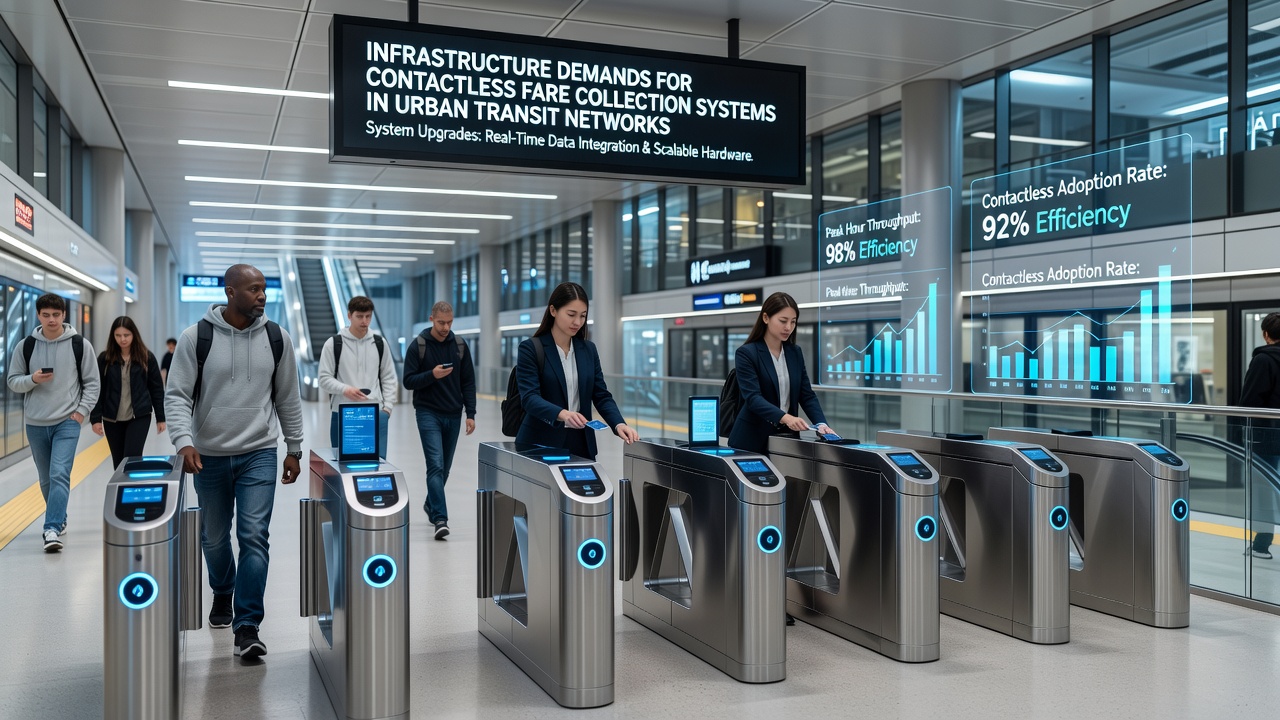
Peak loads during events or daily commutes test system capacity, and planners therefore design modular architectures that allow quick addition of reader units or server resources without full overhauls. Evidence suggests that predictive maintenance tools using sensor data from readers help schedule repairs before failures occur, extending equipment life in high-traffic environments. Cities have documented cases where phased rollouts starting with high-density corridors allow testing of infrastructure limits before wider deployment.
Power redundancy through backup generators and battery systems becomes critical at major hubs, while cooling and physical security measures protect central data facilities. Observers note that training programs for technical staff focus on both hardware troubleshooting and software diagnostics to keep systems operational around the clock.
Conclusion
Contactless fare collection in urban transit networks requires coordinated investment in readers, connectivity, security layers, and scalable processing capacity, and ongoing developments through 2026 continue to shape how agencies meet these infrastructure needs. Data from multiple regions shows that careful planning around hardware durability, network reliability, and integration standards supports smoother passenger experiences while maintaining system integrity across expanding networks.