How Smart Contract Deployments Facilitate Transparent Billing Cycles for Virtual Goods in Online Communities
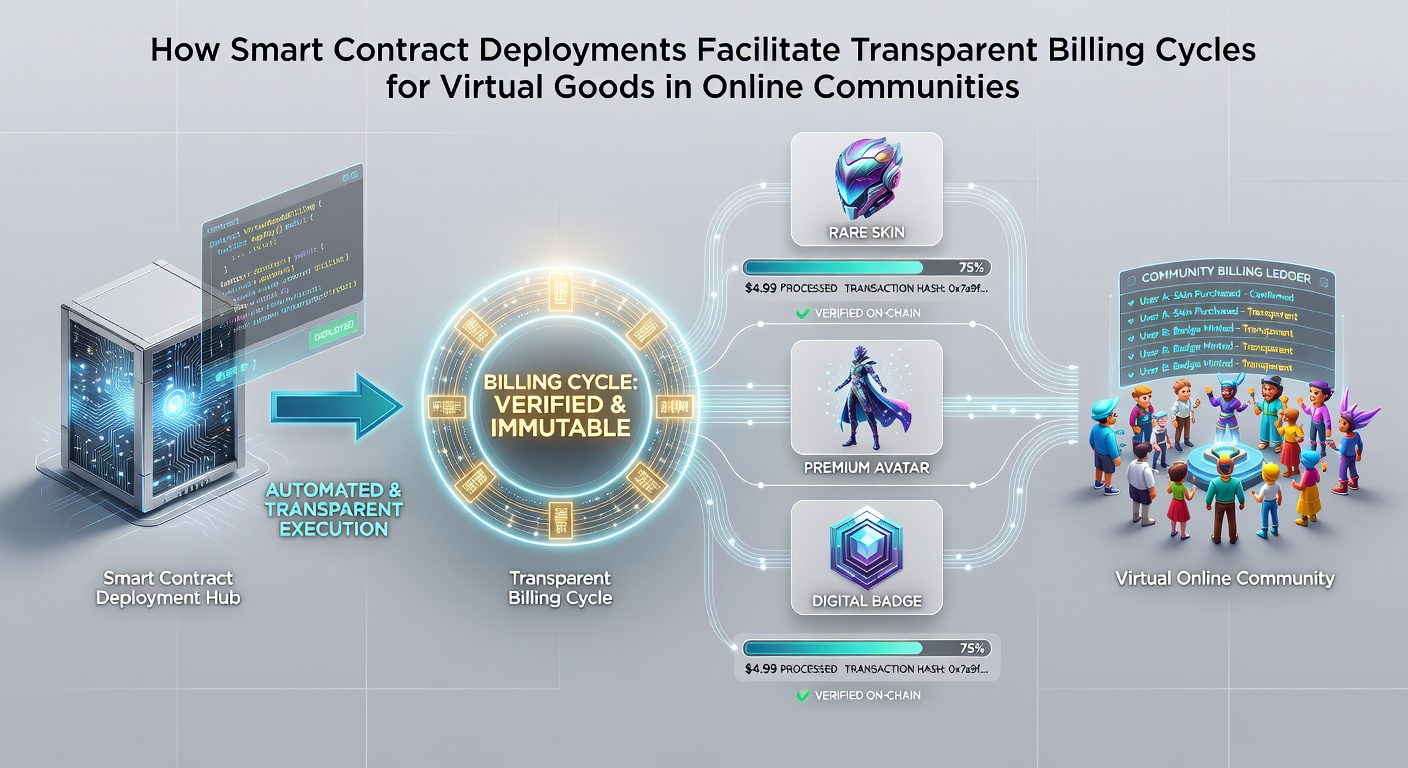 Smart contract deployments have reshaped how online communities handle payments for virtual goods, creating automated systems that record every transaction on distributed ledgers while eliminating manual intervention in recurring charges. Developers deploy these self-executing contracts on blockchain networks, and once activated they trigger billing events based on predefined rules such as subscription renewals or one-time purchases of digital assets like skins, avatars, and in-game resources. Community platforms integrate these contracts directly into their marketplaces, so users see exact pricing, ownership transfers, and payment confirmations without relying on centralized billing departments that might introduce delays or discrepancies. Observers note that the core mechanism relies on immutable code rather than human oversight, which means billing cycles run according to timestamps embedded in the contract logic. When a user acquires a virtual item, the contract verifies available funds or tokens, deducts the agreed amount, and updates the ownership record across all participating nodes simultaneously. This process repeats at fixed intervals for subscription-based access to premium virtual goods, generating an unbroken audit trail that any community member can review through public blockchain explorers.
Automation of Recurring Charges in Digital Marketplaces
Platforms that host large virtual economies now embed smart contracts to manage weekly or monthly deductions for ongoing access to exclusive items or community features. The contract code specifies the billing frequency, accepted payment tokens, and conditions for refunds or cancellations, so execution happens automatically when the due date arrives. Data from multiple deployments shows reduced instances of missed payments because the system checks wallet balances in real time before attempting a transfer.
Take one developer team that integrated smart contracts into a popular virtual world platform in early 2025. Their system automatically prorated charges when users upgraded or downgraded access tiers, and every adjustment appeared instantly on the shared ledger. Community administrators gained visibility into aggregate revenue streams while individual users retained the ability to trace exactly how their tokens moved for each virtual purchase.
Visibility and Auditability Across Community Transactions
Transparency emerges because every billing action writes to a public or permissioned blockchain that participants can query independently. Researchers at several institutions have documented how this setup allows community treasurers to reconcile accounts without requesting reports from platform operators. Instead of periodic statements issued by a single company, the ledger itself serves as the source of truth, updated continuously as new blocks confirm.
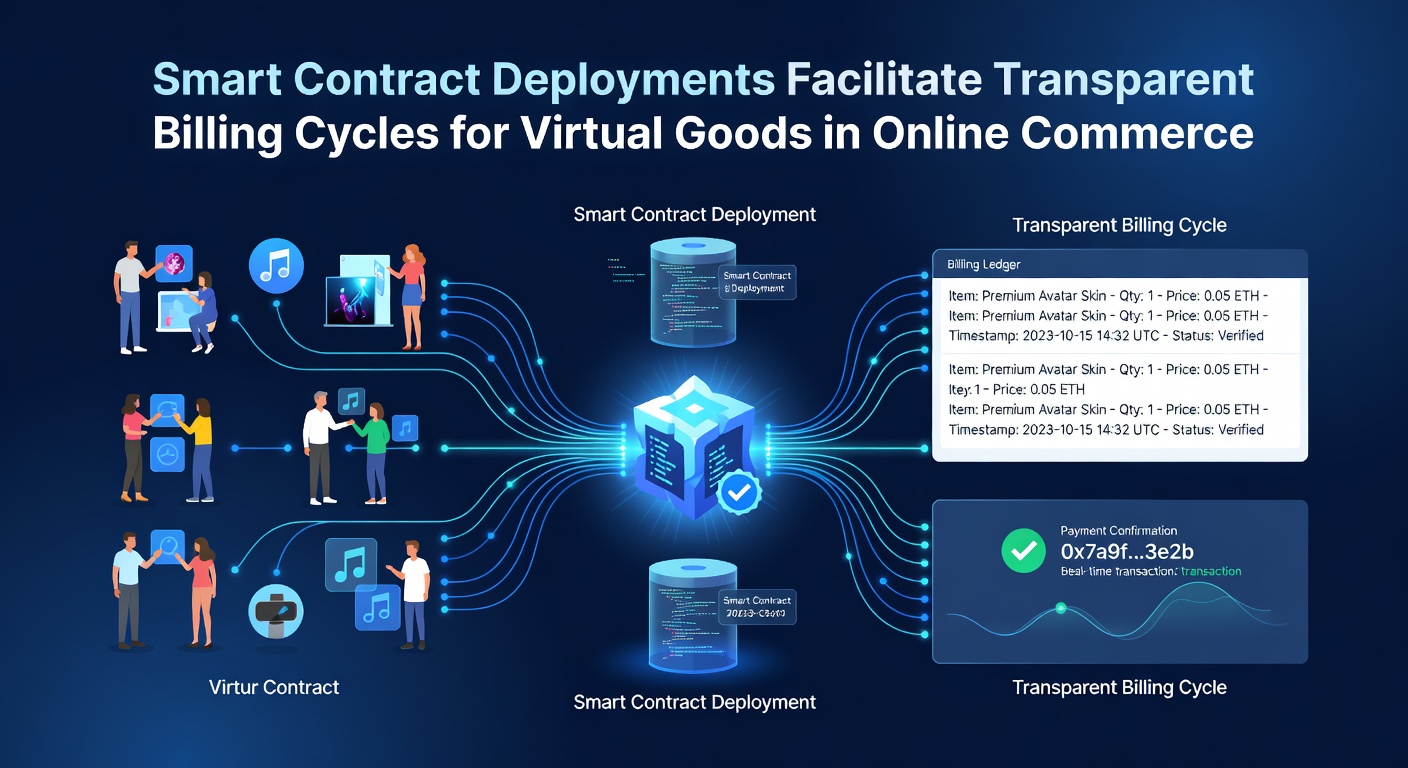
In May 2026, several major virtual goods platforms reported expanded use of these contracts following updates to interoperability standards that let different communities share billing data across networks. Figures from industry tracking groups indicate that transaction volumes for automated virtual item renewals increased notably during that period, driven by clearer rules around data portability and cross-platform ownership verification. Observers point to these developments as evidence that standardized contract templates reduce the friction previously associated with moving virtual assets between communities.
Integration with Token Standards and Community Governance
Many deployments rely on established token standards that define how virtual goods function as transferable assets within teh billing system. Smart contracts reference these standards to enforce rules such as scarcity limits or usage rights that affect pricing tiers. When governance proposals pass within a community, the same contracts can incorporate updated parameters through on-chain voting mechanisms, allowing billing terms to evolve without requiring off-chain contract redeployments.
Analysts tracking adoption patterns across North American and European platforms have noted that communities using on-chain governance for billing adjustments experience fewer disputes over unexpected charges. A 2025 report issued by the European Blockchain Observatory highlighted several case studies where transparent rule changes led to higher user retention rates because participants understood exactly when and why charges would occur. Similar patterns appear in data collected by research teams in Canada and Australia, where regional platforms adopted comparable contract architectures.
Security Features That Support Reliable Billing Execution
Smart contract deployments incorporate multiple verification steps before any billing action finalizes, including multi-signature requirements for large transfers and time-locked functions that prevent premature execution. These features protect both community operators and users by ensuring funds move only after all conditions written into the contract are satisfied. External audits of contract code, often commissioned by platform teams, further strengthen trust by identifying potential vulnerabilities before deployment reaches production environments.
Industry organizations such as the Entertainment Software Association have published guidelines that encourage standardized security practices for contracts handling virtual economies. These resources emphasize testing across simulated network conditions to verify that billing cycles remain consistent even during periods of high transaction volume.
Conclusion
Smart contract deployments continue to provide structured frameworks for transparent billing cycles in online communities that trade virtual goods. The combination of automated execution, public ledgers, and adaptable governance rules creates systems where every charge and ownership transfer leaves a verifiable record accessible to participants. As platforms refine these tools and align them with emerging interoperability standards, communities gain more reliable methods for managing recurring payments while maintaining clear visibility into how virtual economies function at scale.