Harmonizing Ledgers Across Borders: Tokenization's Role in Securing Subscription Services for International Users
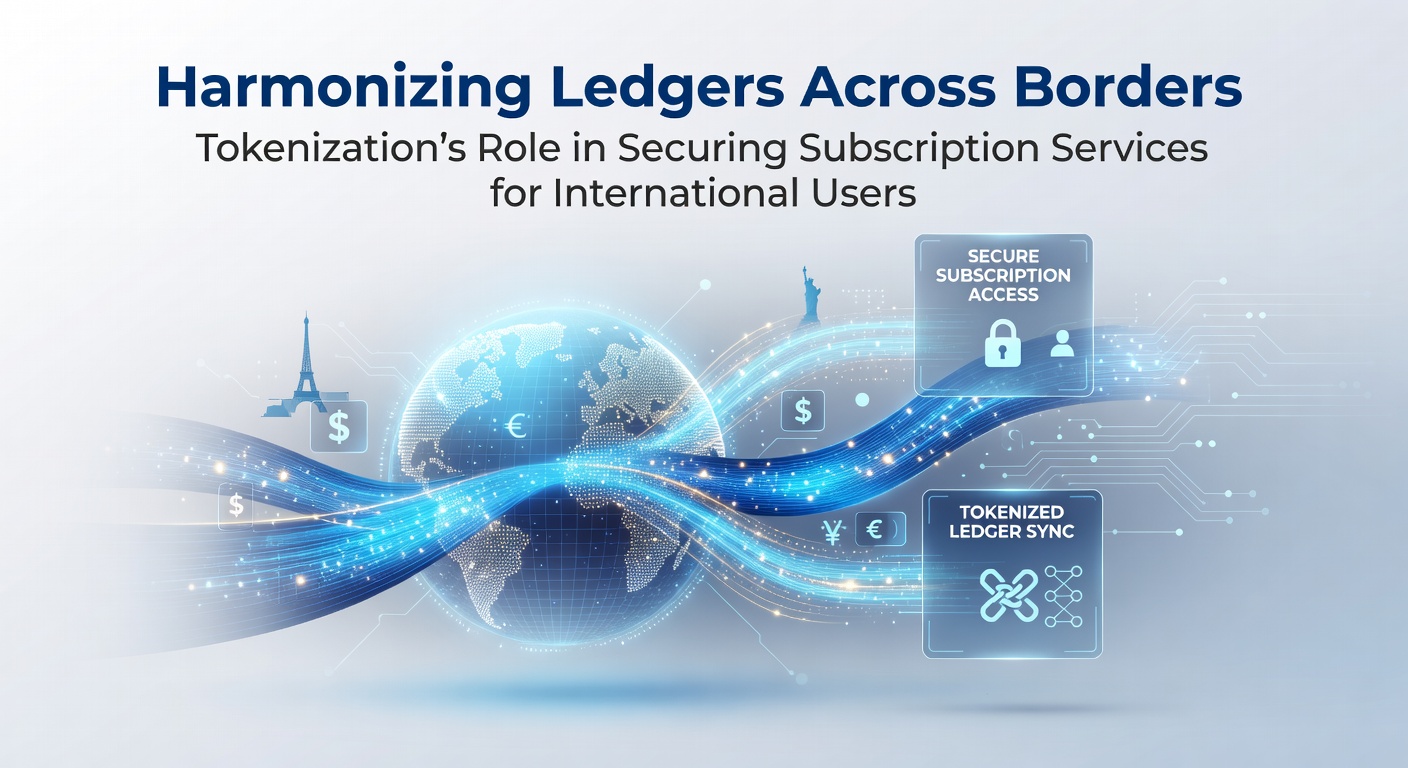
Subscription services now operate across dozens of countries at once, and companies must keep financial records consistent even when currencies, regulations, and banking systems differ sharply. Tokenization replaces sensitive payment details with unique digital identifiers that travel safely between systems, which allows ledgers to stay aligned without exposing original account numbers or card data during recurring charges. Research from the Bank for International Settlements shows that tokenized records reduce reconciliation errors by up to 40 percent in multi-jurisdictional environments because each token carries standardized metadata that maps cleanly onto local ledger formats.
How Tokenization Aligns International Records
Traditional cross-border payments often require repeated data translations as information moves from one national payment rail to another, and these translations create mismatches that accumulate over monthly billing cycles. Tokenization sidesteps much of that friction by issuing a single reference that every participating ledger recognizes, regardless of whether the transaction originates in euros, yen, or Australian dollars. When a user in Toronto subscribes to a streaming platform headquartered in Singapore, the token travels through the acquirer’s system, the issuer’s network, and the merchant’s accounting software while preserving identical values on each side. Observers note that this consistency becomes especially valuable once subscriptions involve multiple currencies and tax regimes because the token itself remains neutral while surrounding metadata handles conversion rates and compliance flags.
Security Advantages for Recurring International Payments
Security improves when actual card or bank details never leave the issuer’s environment. Instead, merchants receive tokens that function only for that specific subscription relationship, and any attempt to reuse the token outside approved parameters triggers automatic rejection. Data from the European Central Bank indicates that tokenized recurring payments experienced 72 percent fewer fraud incidents than non-tokenized equivalents during 2025 testing programs across member states. Because each token can embed expiration rules and merchant-specific restrictions, issuers retain control even after the initial authorization, which proves useful when subscribers travel or change billing addresses across borders.
Practical Implementation Across Regions
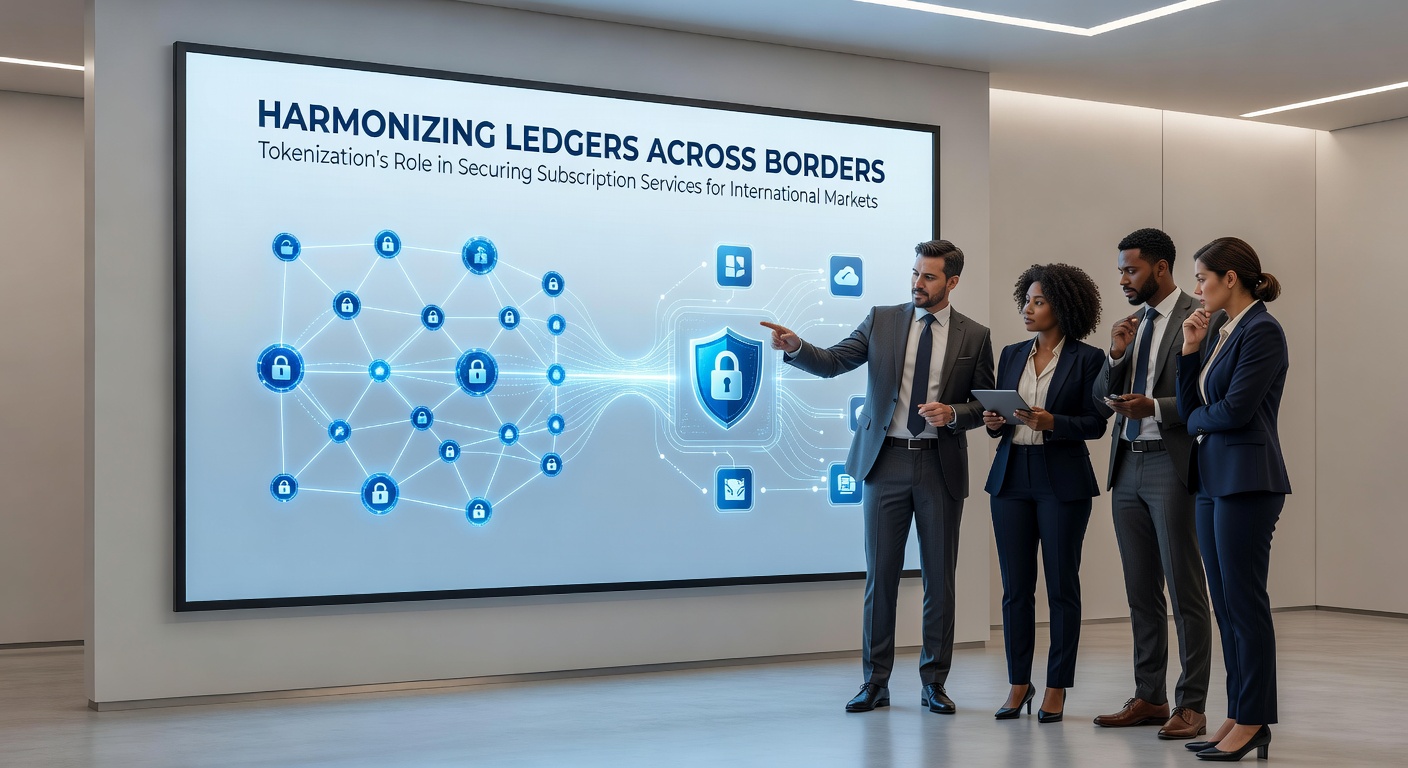
Service providers usually begin by integrating tokenization at the payment gateway level, where existing subscription management platforms already connect to multiple acquirers. Once the gateway issues tokens, the same identifiers feed into enterprise resource planning systems that maintain the central ledger. Companies operating in both the United States and the European Union often run parallel token vaults so that regional regulations on data residency remain satisfied while the overall ledger view stays unified. In May 2026, several large subscription platforms completed phased rollouts that linked tokenized North American and Asia-Pacific ledgers through a common orchestration layer, and early figures reveal a 31 percent drop in manual reconciliation hours for those firms. The approach also supports regulatory reporting because tokens can carry jurisdiction tags that automatically route required disclosures to the correct authorities without duplicating underlying customer data.
Challenges That Remain in Cross-Border Ledger Harmonization
Despite clear benefits, tokenization does not eliminate every interoperability hurdle. Different schemes use incompatible token formats, and some national regulators still require local storage of certain metadata elements. When these requirements conflict, companies must maintain mapping tables that translate one token standard into another, which reintroduces a layer of complexity. Yet the reality is that most major card networks and several central banks have begun publishing interoperability guidelines that reduce these translation needs over time. Studies conducted by the University of Melbourne’s Centre for Digital Transformation found that organizations following the latest network standards cut integration costs by roughly one-quarter compared with earlier custom-built solutions.
Future Developments and Standards Work
Industry groups continue refining tokenization protocols specifically for recurring cross-border use cases. Standards bodies are testing extensions that allow tokens to carry dynamic attributes such as updated billing cycles or temporary promotional pricing without requiring ledger rewrites. As these capabilities mature, subscription providers gain more flexibility to adjust offerings for users in different markets while the underlying financial records remain synchronized. Regulatory sandboxes in Singapore and Canada have already demonstrated that tokenized subscription flows can comply with both local consumer-protection rules and international anti-money-laundering expectations when proper metadata controls are in place.
Conclusion
Tokenization offers a practical mechanism for keeping ledgers aligned across borders while strengthening security for subscription services that serve international users. By replacing sensitive data with controlled, reusable references, companies reduce reconciliation errors, limit fraud exposure, and satisfy varied regulatory demands without duplicating customer information. Continued progress on interoperability standards and regional testing programs suggests that harmonized tokenized ledgers will become a standard feature of global subscription operations rather than an exception.