Geofencing Mechanisms Validating Mobile Wallet Interactions for Event-Triggered Subscription Activations Across Regions
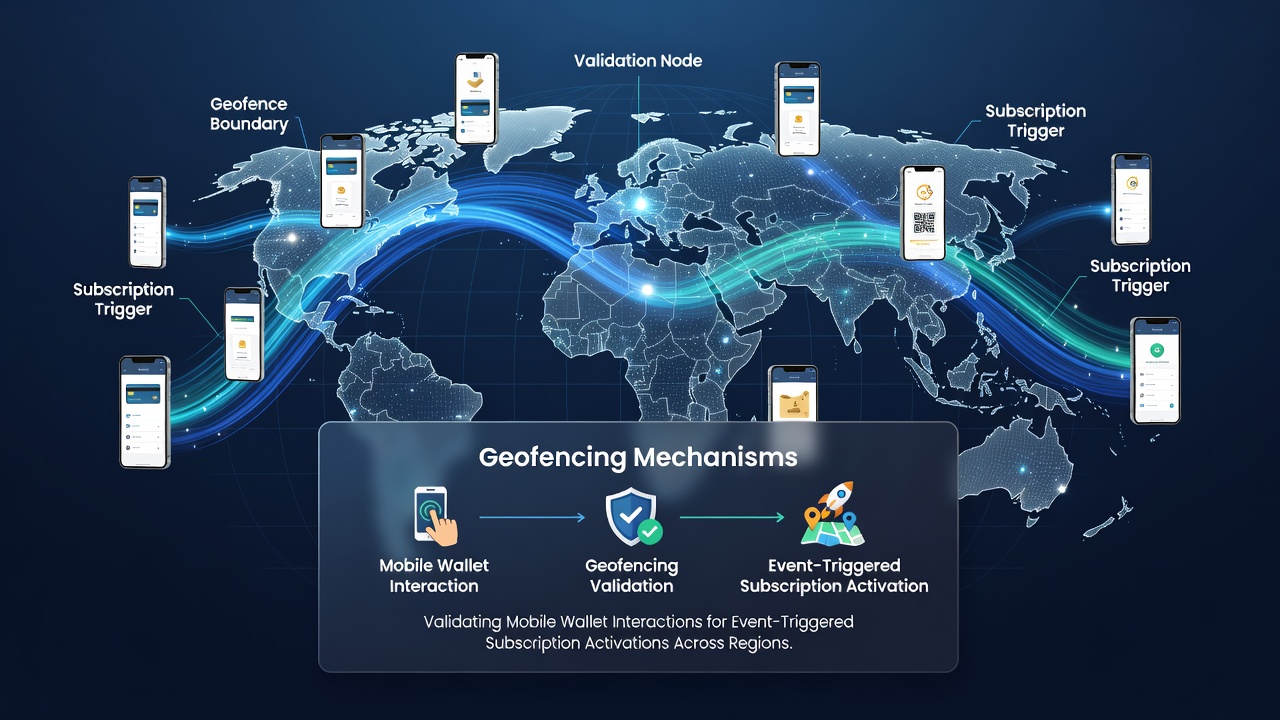
Geofencing technology establishes virtual perimeters around physical locations using GPS, cellular data, and Wi-Fi signals, and this approach now integrates directly with mobile wallet systems to validate user interactions before activating event-based subscriptions. Systems detect when a device crosses these boundaries, then trigger verification protocols that confirm wallet credentials and location data simultaneously, which reduces unauthorized activations while enabling seamless access for users at concerts, conferences, sports venues, and regional festivals.
Core Technical Components of Geofencing Validation
Location services in modern smartphones provide the foundation for these mechanisms, where applications define polygonal or circular geofences that correspond to event sites, and the operating system monitors device position continuously or at set intervals to minimize battery drain. Once a device enters the defined area, the wallet application receives a location event notification that initiates a handshake with backend servers, and this process cross-checks device identifiers, cryptographic tokens, and real-time coordinates against registered subscription parameters before any activation occurs.
Encryption layers protect the transmitted location and payment data during this exchange, while multi-factor checks combine geofence entry with biometric wallet unlocks or PIN confirmations, and regional differences in signal accuracy require adaptive algorithms that adjust thresholds based on urban density versus rural environments. Providers such as Apple and Google maintain standardized location APIs that developers use to build these triggers, ensuring consistent behavior across device ecosystems even when users travel between countries.
Cross-Regional Implementation Challenges and Solutions
Regulatory frameworks vary significantly by jurisdiction, and operators must configure geofencing rules to comply with data localization requirements that dictate where location records can be stored and processed. In the European Union, strict consent mechanisms under existing digital privacy directives require explicit user opt-in before geofence data collection begins, whereas North American systems often rely on broader terms of service agreements that still demand transparent disclosure of tracking practices.
Time zone handling becomes critical when subscriptions span multiple regions, because an event start time in one locale must align precisely with geofence activation windows elsewhere, and developers implement synchronized clocks using network time protocols to avoid premature or delayed triggers. July 2026 saw several payment networks update their location service guidelines to mandate enhanced logging of cross-border geofence events, which helps auditors verify that activations occurred only within approved boundaries and with proper user consent.
Integration with Mobile Wallet Ecosystems
Mobile wallets embed geofencing support through secure element chips that store both payment credentials and location tokens, allowing the device to perform initial validation locally before contacting remote servers for final subscription activation. This architecture reduces latency during high-traffic events where thousands of users might enter a venue simultaneously, and it maintains functionality even when network connectivity fluctuates briefly upon arrival.
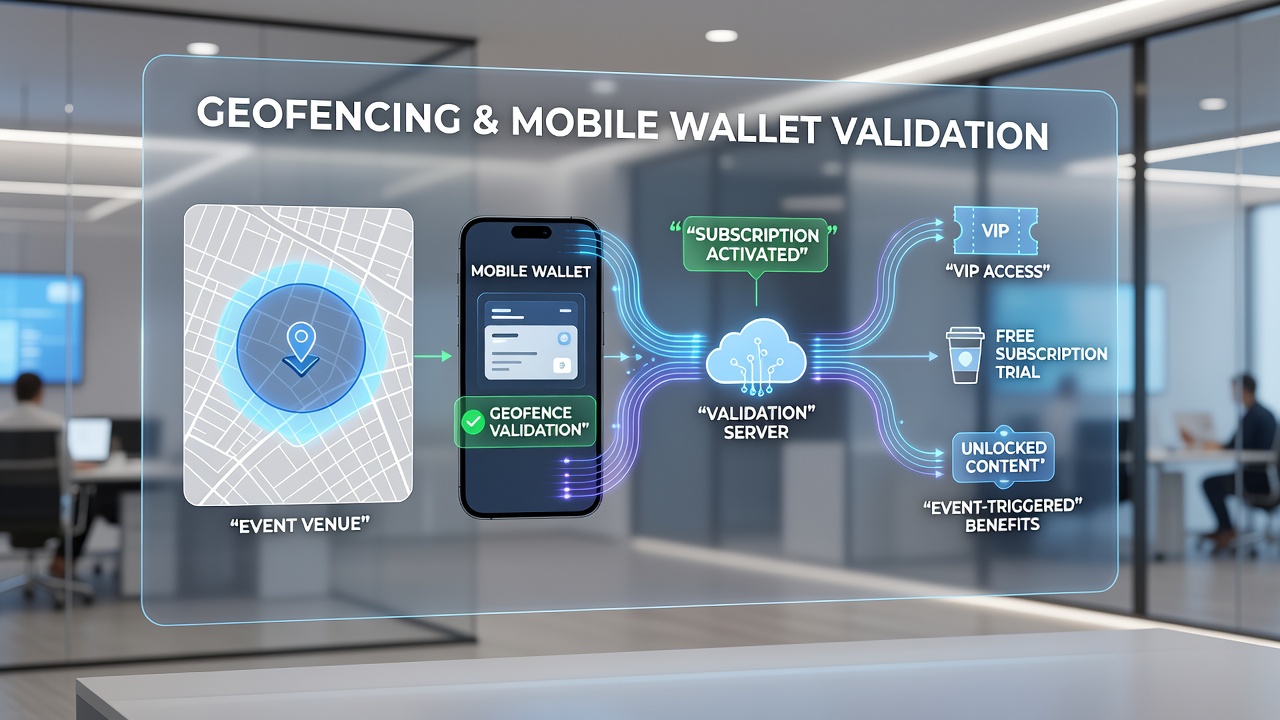
Event organizers partner with wallet providers to preload geofence definitions into user applications days before scheduled activities, and these preloaded boundaries activate automatically once the device detects proximity to the venue. Backend systems then log each successful validation with timestamped coordinates, creating audit trails that support dispute resolution when users report failed activations due to signal interference or device settings that disable location services.
Data Privacy and Security Considerations
Operators limit data retention periods for geofence events to the minimum necessary for subscription management, and they anonymize location records after activation completes to prevent reconstruction of individual movement patterns. Research from institutions such as the National Institute of Standards and Technology highlights best practices for balancing verification accuracy with user privacy, including differential privacy techniques that add controlled noise to aggregate location datasets.
Security teams continuously monitor for spoofing attempts where malicious actors attempt to simulate geofence entry through VPNs or GPS emulators, and detection relies on cross-referencing multiple signal sources along with behavioral analysis of wallet usage patterns. When anomalies appear, systems can require additional authentication steps before completing subscription activation, thereby maintaining integrity across diverse regional deployments.
Operational Examples from Global Deployments
European music festivals have adopted geofencing to activate temporary access subscriptions for attendees who purchase tickets through their mobile wallets, and these systems validate entry only when devices cross venue boundaries while also confirming that the ticket token remains unrevoked. Similar implementations appear at Australian sporting events where multi-day passes activate progressively as fans move between stadium zones, demonstrating how geofencing supports tiered subscription models without manual intervention.
North American conference centers use the same technology to trigger networking subscription features once participants enter designated areas, and these activations link directly to calendar integrations that update attendee profiles in real time. Data compiled by the European Commission indicates that properly configured geofencing reduces activation errors by up to 40 percent compared with purely time-based triggers in multi-venue environments.
Conclusion
Geofencing mechanisms continue to evolve as mobile wallet capabilities expand and regional regulations adapt to new location-based services, and the combination of precise boundary detection with cryptographic validation creates reliable pathways for event-triggered subscription activations. Organizations that align their technical implementations with local compliance requirements while maintaining consistent user experiences across borders position themselves to handle growing volumes of location-aware transactions without compromising security or privacy standards.