Decoding Geofencing Triggers That Validate Location-Specific Service Charges Within Tourism Ecosystems
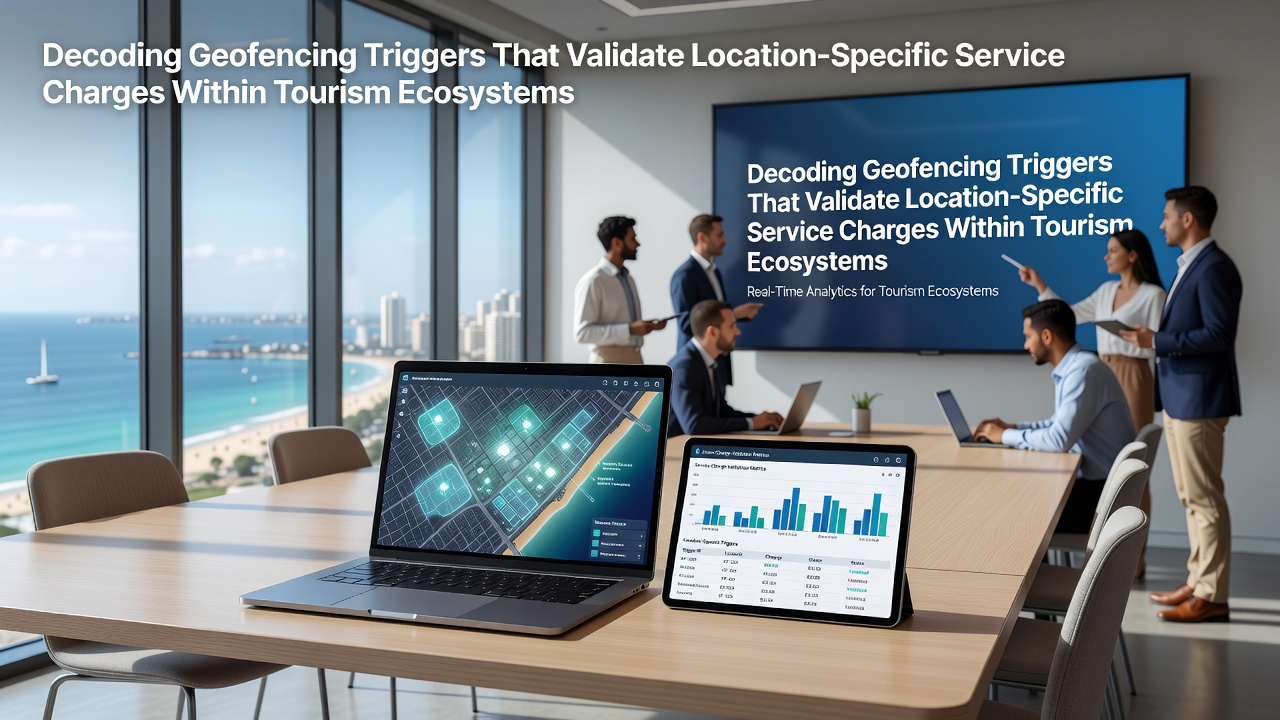
Geofencing technology creates virtual perimeters around specific geographic areas using GPS, Wi-Fi, and cellular data, which allows tourism operators to trigger automated service charges when visitors enter or exit designated zones, and researchers have documented its growing adoption across global destinations since the early 2020s.
These systems rely on location data from mobile devices to validate charges for services such as park entry fees, shuttle transports, or environmental levies, while the process begins when a user's device crosses a predefined boundary that activates backend validation protocols connected to payment processors and regulatory databases.
Core Mechanisms of Geofencing in Tourism Settings
Tourism ecosystems integrate geofencing with existing infrastructure like booking platforms and mobile applications, and this integration enables precise detection of visitor movements within historic districts, national parks, or resort areas where location-specific fees apply, according to data from international travel technology reports. The triggers function through a combination of radius-based boundaries and polygon mapping, which account for irregular terrain in places like mountain trails or waterfront promenades, whereas simple circular geofences work better in urban plazas with uniform layouts.
Validation occurs when the system cross-references the device's coordinates against approved charge schedules maintained by local authorities or tourism boards, and this step prevents unauthorized billing by requiring multiple data points such as dwell time and repeated boundary crossings before finalizing any deduction. Studies from academic institutions show that accuracy rates improve when operators combine satellite signals with beacon technology inside buildings where GPS reception weakens.
Implementation Examples Across Regions
European destinations have applied geofencing to manage congestion charges in popular cities, and one case in a Mediterranean port city demonstrated how entry into a restricted heritage zone automatically generated a small access fee through linked travel apps. In North America, similar setups at scenic viewpoints collect parking or shuttle fees only from devices detected within the lot boundaries, which reduces manual collections and aligns payments with actual usage patterns reported by park services.
Asia-Pacific operators use these triggers for eco-tourism levies in protected rainforests, where the system confirms visitor presence before applying daily conservation charges, and figures from regional tourism analyses indicate that such methods have streamlined collections during peak seasons. Australian sites testing the technology link geofence alerts to multi-currency processors to handle international visitors without delays at entry points.

Data Validation and Compliance Processes
Validation protocols require encryption of location data and consent mechanisms within apps, while compliance with data protection standards ensures that charges activate only after explicit user agreement to share coordinates during their stay. Tourism boards in multiple countries coordinate with technology providers to audit these systems regularly, and updates scheduled for July 2026 will introduce standardized reporting formats for cross-border operators handling international travelers.
Observers note that hybrid models combining geofencing with blockchain ledgers create immutable records of each trigger event, which supports dispute resolution when visitors question a charge, and industry reports highlight reduced error rates in such setups compared to traditional manual ticketing. The process also incorporates time-based rules, so charges apply differently during off-peak hours versus festival periods when visitor volumes spike.
Technical Challenges and System Refinements
Signal interference from tall buildings or dense foliage can cause false triggers, and developers address this through machine learning algorithms that filter noise by analyzing movement speed and historical patterns from the same device. Battery drain on user phones remains a concern, which prompts many applications to use low-power location services that activate only near known tourism hotspots.
Regulatory variations across jurisdictions complicate deployments, yet collaborative frameworks from organizations like the UN World Tourism Organization provide guidelines for consistent application of location-based billing. Research from Canadian universities has examined how these refinements affect smaller operators who lack resources for custom development, revealing that cloud-based platforms lower entry barriers while maintaining validation integrity.
Future Developments in Location-Based Tourism Billing
Advancements in 5G networks promise faster trigger responses and more granular boundary definitions, and pilots in several island nations already test integration with wearable devices for seamless charges at water sports facilities. Data from these trials shows improved accuracy during high-mobility scenarios like guided tours that cross multiple zones.
By July 2026, several destinations plan to roll out enhanced geofencing tied to real-time environmental sensors, which would adjust service charges dynamically based on crowd density or weather conditions while preserving the core validation logic. These updates build on existing frameworks that already connect location data to payment gateways used by hotels and transport providers.
Conclusion
Geofencing triggers continue to reshape how tourism ecosystems apply location-specific charges through precise, validated mechanisms that rely on coordinated technology and regulatory oversight. The documented implementations across continents demonstrate consistent patterns of improved collection efficiency alongside ongoing refinements to address technical and compliance hurdles, and the scheduled enhancements for 2026 point toward further standardization in this area of travel services.