Decoding Encryption Layers That Shield Automated Deductions Across Global Subscription Platforms
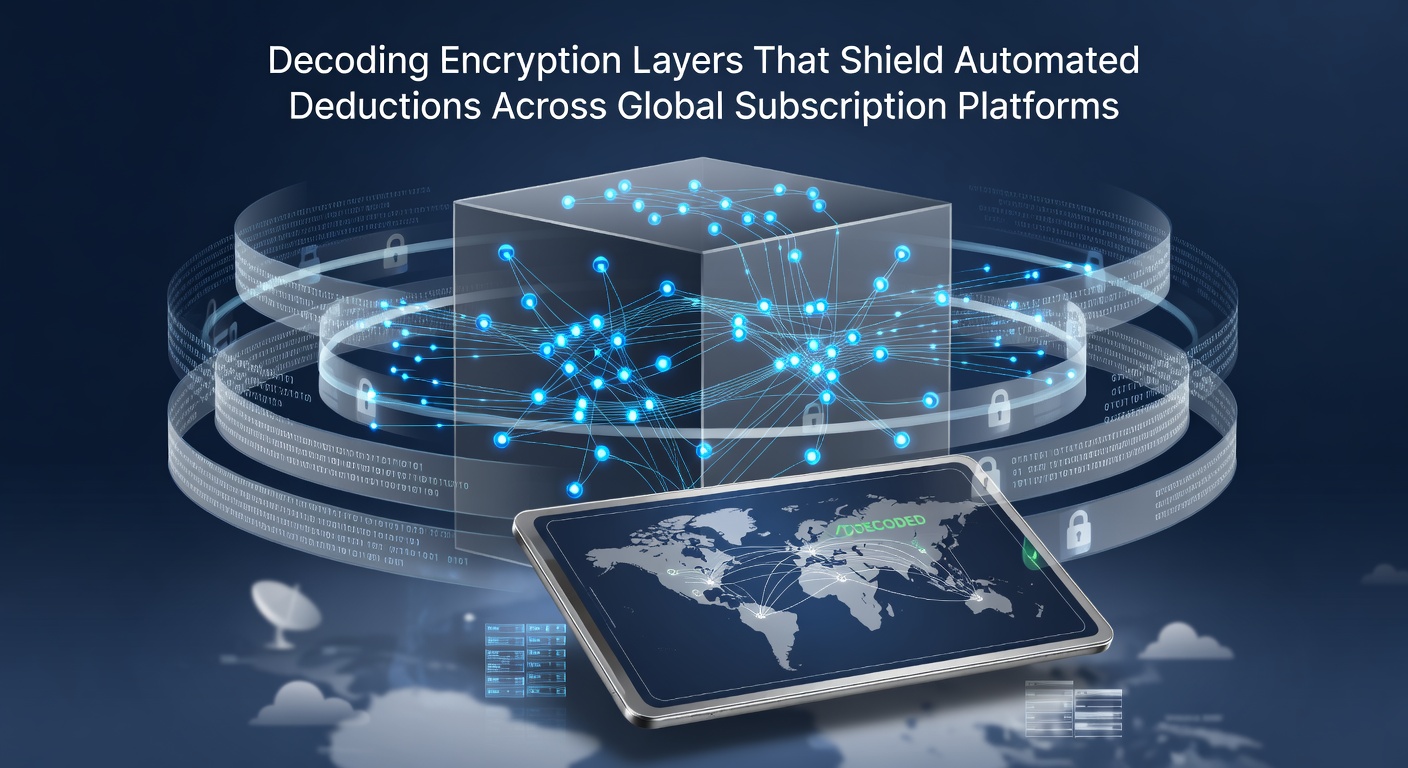
Subscription platforms rely on automated deductions to handle recurring charges for services ranging from streaming media to software licenses and the process demands robust protection for financial data at every stage. Observers note that encryption serves as the core mechanism shielding these transactions from interception and unauthorized access while multiple layers work together to secure data in transit, at rest, and during processing. Research from payment security organizations indicates that tokenization often replaces actual card details with unique identifiers early in the workflow and this step reduces exposure before further encryption applies.
Transport layer security protocols establish the first barrier during data transmission between user devices and server infrastructure. Standards such as TLS 1.3 encrypt communications in real time and prevent man-in-the-middle attacks that could target recurring billing cycles. Experts have observed that many global providers integrate certificate pinning alongside these protocols to verify server identities and maintain integrity throughout automated deduction sequences. Data shows that platforms operating across regions must also comply with varying requirements including those outlined by the PCI Security Standards Council which sets baseline rules for handling payment card information worldwide.
Application and Storage Layer Protections
Once data reaches backend systems additional encryption applies at the application level using algorithms like AES-256 to protect information before it enters databases. Subscription services store tokenized credentials in encrypted vaults and access requires strict key management practices that rotate credentials periodically. Researchers discovered that homomorphic encryption techniques allow certain computations on encrypted data without decryption which proves useful when platforms perform billing calculations across distributed international servers. This approach keeps sensitive details shielded even during routine automated processes that occur daily or monthly.
Key management systems form another critical layer and organizations distribute cryptographic keys across secure modules to avoid single points of failure. Those who manage global subscription platforms often employ hardware security modules that generate and store keys in isolated environments while audit logs track every access attempt. Figures reveal that breaches involving recurring payments frequently trace back to weak key handling rather than flaws in the primary encryption algorithms themselves and this pattern has prompted increased adoption of centralized key orchestration tools.
Regional Variations in Implementation
Different jurisdictions influence how encryption layers combine for automated deductions. In the European Union the General Data Protection Regulation requires explicit consent mechanisms and data minimization practices that intersect with encryption standards. Platforms serving EU users therefore apply additional pseudonymization techniques before storing subscription records. Meanwhile Australian regulatory guidance from the Australian Cyber Security Centre emphasizes encryption for financial data in transit and at rest with specific recommendations updated in recent years to address cloud-based billing systems.
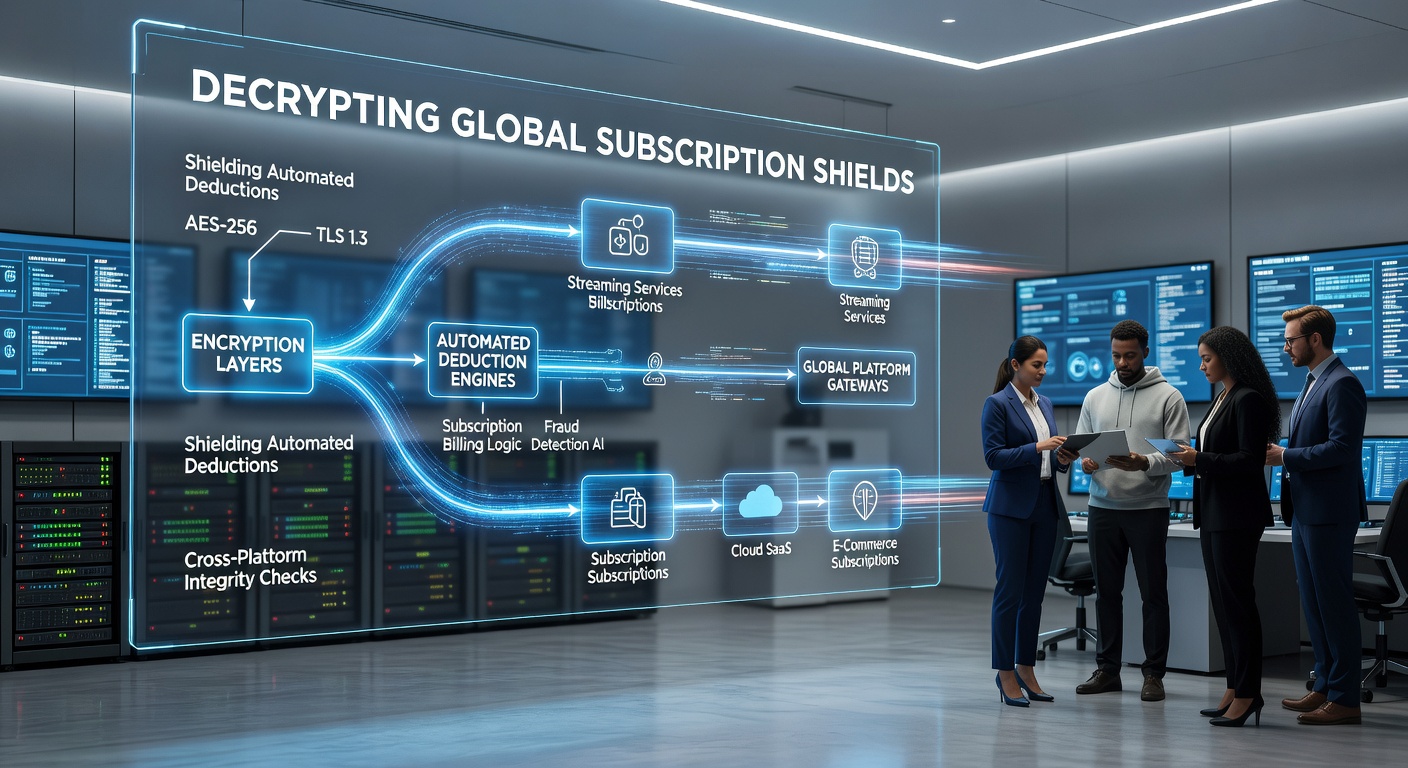
North American providers follow PCI DSS requirements that mandate encryption for cardholder data while allowing flexibility in implementation details. One study revealed that companies integrating end-to-end encryption across their subscription pipelines experienced fewer incidents of data exposure during automated renewal cycles. What's interesting is how these regional frameworks converge around common technical standards even as local oversight bodies maintain distinct reporting obligations.
Advancements Anticipated by Mid-2026
By May 2026 industry reports project wider deployment of post-quantum cryptography in subscription platforms to counter potential threats from quantum computing advances. Early adopters test lattice-based algorithms alongside existing AES implementations adn this hybrid model aims to preserve compatibility during the transition period. Automated deduction systems benefit because recurring payments involve repeated access to stored credentials and stronger quantum-resistant layers reduce long-term risks. Observers note that testing phases currently focus on performance impacts since complex encryption can increase latency in high-volume billing environments.
Integration with secure enclaves inside cloud processors provides another emerging safeguard. These isolated execution environments allow decryption only within protected memory spaces and limit exposure even if outer system layers face compromise. Platforms handling international subscriptions increasingly rely on such hardware features to meet compliance across multiple regulatory landscapes simultaneously.
Operational Challenges and Technical Responses
Maintaining encryption consistency proves difficult when subscription platforms scale across dozens of countries with differing network infrastructures. Legacy systems sometimes require custom bridges to newer encryption protocols and this creates temporary vulnerabilities during upgrades. Those who've studied these transitions report that phased rollouts combined with continuous monitoring help identify weak points before they affect automated deduction reliability.
Token lifecycle management adds another layer of complexity since tokens must remain valid for recurring charges yet rotate or expire to limit exposure windows. Solutions include dynamic token generation tied to specific subscription intervals and this method aligns encryption practices with actual billing patterns. Evidence suggests that platforms adopting such synchronized approaches see measurable reductions in fraud attempts targeting stored payment methods.
Conclusion
Encryption layers protecting automated deductions continue to evolve as subscription platforms expand globally and technical standards adapt to new computational threats. Multi-layered approaches combining transport security, application encryption, tokenization, and advanced key management deliver the necessary safeguards while regional regulations shape specific implementations. As developments progress toward 2026 the focus remains on balancing security strength with operational efficiency across diverse international environments.