Charting Velocity Thresholds That Calibrate Approval Speeds for High-Frequency Vendor Disbursements in Distributed Retail Networks
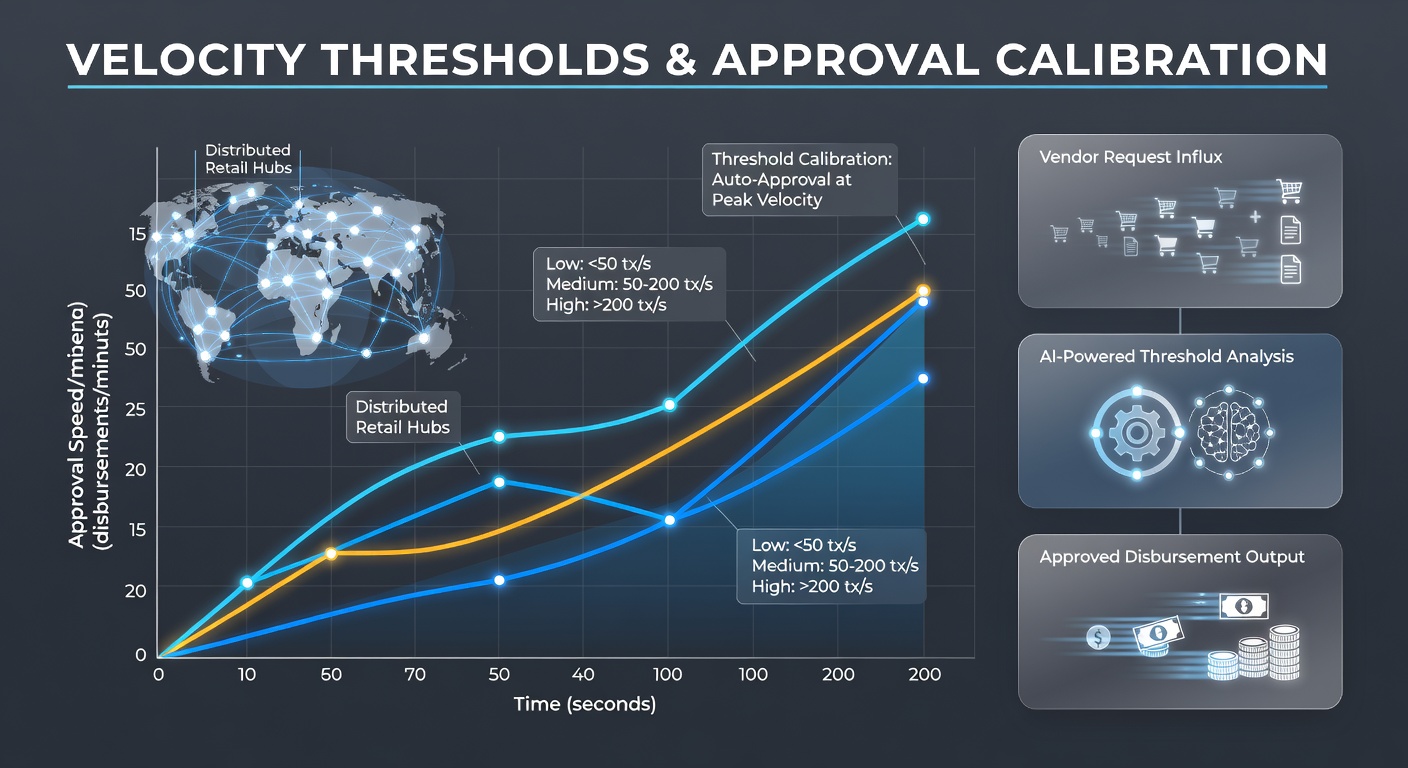
Retail networks that span multiple locations rely on precise mechanisms to handle frequent vendor payments, and velocity thresholds serve as the core controls that adjust how quickly those disbursements receive approval, while data from payment processors shows these limits directly influence cash flow timing across distributed operations.
How Velocity Thresholds Operate in Retail Disbursement Systems
Velocity thresholds track the rate of payment requests over set time intervals, and they trigger adjustments to approval speeds when transaction volumes exceed predefined benchmarks, which allows systems to maintain operational stability without halting legitimate vendor payouts in high-volume retail environments.
Researchers at institutions monitoring payment infrastructure have documented that these thresholds typically incorporate factors such as historical vendor activity patterns, total daily disbursement amounts, and network-wide load indicators, so the calibration process uses algorithms that recalibrate limits dynamically as conditions shift throughout operating hours.
Calibration Techniques for Approval Speed Adjustments
Calibration begins with baseline data collection from past disbursement cycles, after which models integrate real-time inputs to refine speed parameters, and this approach ensures that high-frequency vendor payments in retail chains move through approval stages at rates that balance efficiency with risk controls.
Studies released in June 2026 by regional financial oversight bodies highlighted refinements in threshold modeling that incorporate machine learning elements to predict volume spikes, while those updates have enabled retail operators to shorten average approval windows by measurable percentages in multi-site networks without increasing error rates in transaction processing.
Application Across Distributed Retail Networks
Distributed retail setups present unique demands because vendor payments often occur simultaneously across locations, yet velocity thresholds coordinate these flows by assigning tiered approval speeds based on geographic clusters and supplier categories, which prevents bottlenecks when multiple outlets submit requests within short windows.
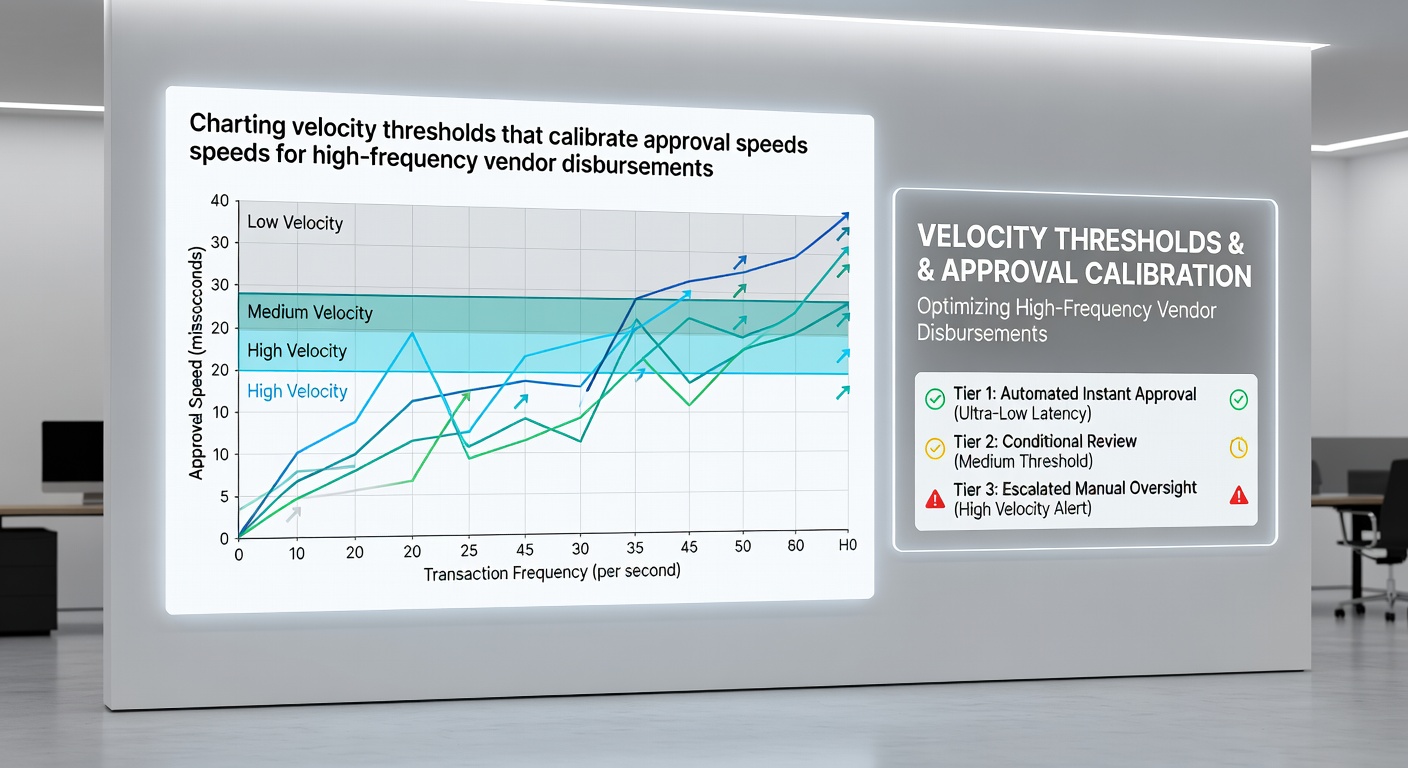
One documented implementation involved a North American retail group that layered thresholds according to vendor payment frequency tiers, and observers noted that this structure allowed routine small disbursements to clear faster while routing larger or less frequent requests through additional verification steps that maintained overall network throughput.
Data Patterns and Measurement Approaches
Payment analytics platforms record metrics such as requests per minute, cumulative amounts over rolling periods, and approval latency averages, after which analysts map these figures against threshold settings to identify optimal calibration points that support consistent disbursement performance.
Evidence from industry reports, including work referenced by the Bank of Canada on retail payment efficiencies, indicates that networks using adaptive thresholds experience fewer instances of delayed vendor payouts during peak sales periods, whereas static models tend to produce wider variations in processing times across distributed sites.
Integration With Existing Payment Infrastructure
Modern retail payment systems embed velocity threshold logic directly into disbursement engines, so the calibration occurs through configuration rules that respond to live data feeds rather than requiring manual intervention, and this integration supports seamless scaling as networks expand their vendor bases or add new locations.
Academic analyses from European research centers have examined how such embedded controls interact with settlement protocols, and findings reveal that precise threshold charting reduces variance in approval speeds by aligning them closely with actual transaction velocity patterns observed in the field.
Conclusion
Velocity thresholds provide the framework that retail networks use to calibrate disbursement approval speeds for high-frequency vendor payments, while ongoing refinements continue to draw from aggregated performance data across distributed operations, and these mechanisms remain central to maintaining reliable payment flows as retail environments evolve.