Calibrating Risk Scores Through Behavioral Data in Subscription Box Services

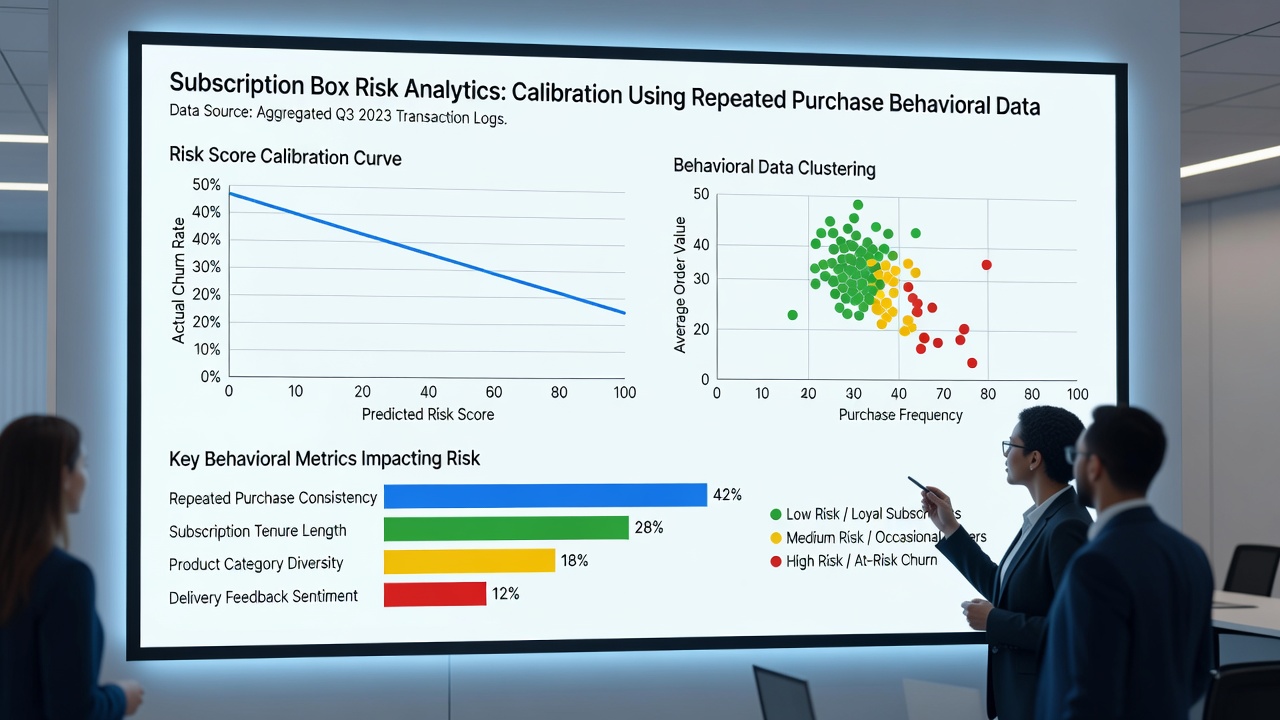
Subscription box services collect extensive behavioral data from repeated customer purchases, and this information directly informs the calibration of risk scores used by payment processors and financial institutions. Companies track metrics such as purchase frequency, average order value, subscription tenure, and cancellation patterns to adjust models that predict default probability or fraudulent activity. These adjustments occur through iterative updates to scoring algorithms that incorporate historical transaction sequences rather than isolated events.
Data Sources Driving Calibration Processes
Behavioral indicators emerge from multiple touchpoints within subscription platforms. Systems log the timing between renewals, the addition of customization options, and responses to promotional offers. Payment processors integrate this data with external credit bureau records to refine baseline risk thresholds. In June 2026, several major platforms reported that repeat purchase sequences spanning twelve months or longer reduced assigned risk scores by measurable percentages in their internal models.
Researchers at academic institutions have examined how these datasets improve predictive accuracy compared to static demographic variables alone. One study from a Canadian university analyzed anonymized records across beauty and wellness subscription segments and found that consistent renewal patterns correlated with lower chargeback rates over time. The calibration involves weighting recent behaviors more heavily while retaining longer-term trends to avoid overreacting to temporary fluctuations.
Algorithmic Adjustment Mechanisms
Calibration relies on machine learning frameworks that retrain periodically on aggregated behavioral features. Engineers define rules that elevate or lower scores when customers demonstrate predictable engagement signals, such as upgrading box tiers or maintaining active accounts across seasonal changes. These models apply gradient boosting techniques or neural network layers to process sequences of transactions and generate updated probability outputs.
Third-party analytics providers supply standardized frameworks that subscription services adapt to their specific product categories. For instance, food delivery boxes emphasize delivery confirmation rates while apparel services focus on return frequencies as negative indicators. The process maintains compliance with data protection regulations by anonymizing individual records before feeding them into calibration pipelines.
Integration With Payment Approval Workflows
Risk scores calibrated through repeated purchase data feed directly into authorization decisions at the point of recurring billing. Merchants transmit these adjusted scores alongside transaction details to acquirers, which apply them to approve or decline charges. This approach reduces false positives for established subscribers while maintaining safeguards against sudden account takeovers. Observers note that platforms using such methods report smoother renewal cycles during high-volume periods like holiday seasons.
Industry reports from the European Central Bank highlight how behavioral calibration supports cross-border subscription operations by accounting for regional differences in consumer retention patterns. Processors in multiple jurisdictions apply localized weighting factors derived from domestic purchase histories. The result appears in lower decline rates for users with demonstrated loyalty signals across geographic markets.
Regulatory Considerations and Industry Standards
Financial regulators require documentation of how behavioral data influences risk models to ensure fair lending practices. In Australia, the Australian Securities and Investments Commission has issued guidance on transparency around automated scoring adjustments in consumer services. Subscription providers maintain audit logs that trace score changes back to specific behavioral inputs for compliance reviews.
Trade associations representing e-commerce operators collaborate on best practices for data segmentation. These guidelines recommend separating purchase frequency metrics from sensitive personal information to minimize privacy exposure. Calibration cycles typically run monthly or quarterly, allowing models to incorporate fresh data while preserving stability for long-term subscribers.
Case Examples From Operational Deployments
One fitness equipment subscription service adjusted its risk parameters after analyzing two years of renewal data and observed that customers who added accessory purchases within the first three months showed markedly different default trajectories. The company shared aggregated findings with its payment processor, which incorporated the patterns into broader scoring logic used across similar verticals. Another example involves a pet supply box operator that identified early cancellation signals and used them to trigger proactive retention offers before risk scores escalated.
These implementations demonstrate how repeated interactions generate feedback loops that continuously refine model performance. Data from the U.S. Federal Reserve indicates that consumer-facing subscription models contribute increasing volumes of behavioral inputs to credit risk assessments in non-traditional lending contexts.
Conclusion
Calibration of risk scores through behavioral data from repeated subscription purchases continues to evolve as platforms accumulate longer histories and refine their analytical methods. The approach integrates transaction sequences with established credit frameworks to produce more nuanced evaluations. Industry participants maintain focus on regulatory alignment and technical robustness while expanding these techniques across additional service categories.