API Handshakes Powering Aggregated Billings Across Decentralized Digital Wallet Networks
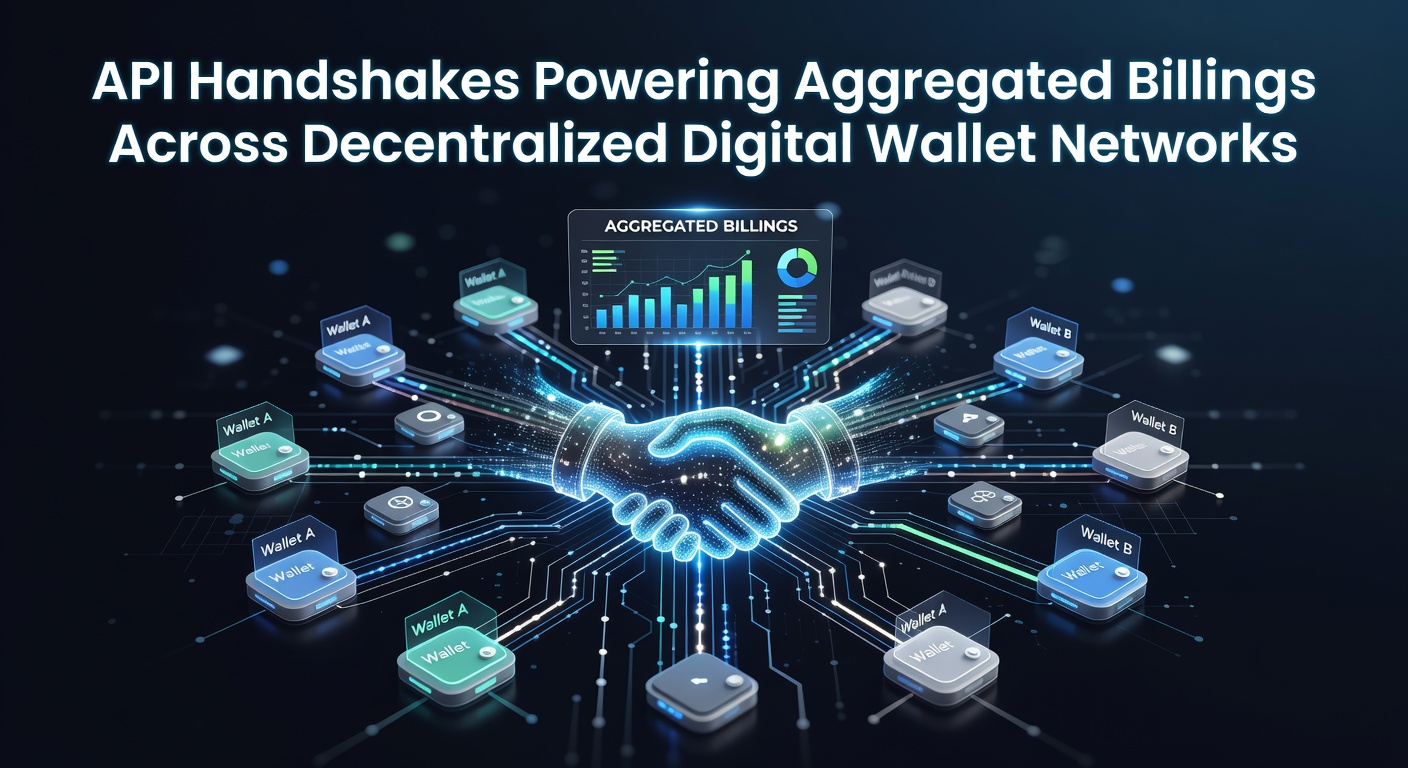
API handshakes serve as the initial protocol exchange that establishes secure connections between decentralized digital wallet nodes and billing systems, and this mechanism supports the aggregation of multiple transactions into unified settlement processes across distributed networks. Researchers have documented how these handshakes rely on cryptographic verification sequences that confirm identities and negotiate encryption parameters before any billing data transfers occur. Data from network monitoring tools shows that successful handshakes reduce latency in cross-node communications by streamlining authentication steps.
Decentralized wallet networks operate without central authorities, which means each node maintains its own ledger entries while participating in collective billing cycles. API handshakes bridge these independent nodes by exchanging public keys and session tokens, allowing aggregated billings to compile charges from various sources into single reports. Observers note that this approach emerged prominently after 2023 as wallet adoption grew among users seeking alternatives to traditional banking rails.
Mechanics of Handshake Protocols in Wallet Environments
The handshake begins when a wallet node initiates contact with another through a standardized API endpoint, and the receiving node responds with its certificate details along with supported cipher suites. Both parties then validate signatures and agree on encryption methods before the channel opens for billing payloads, and this sequence prevents unauthorized access while preserving the decentralized structure. Studies from academic institutions indicate that such protocols handle thousands of concurrent connections without introducing bottlenecks in transaction throughput.
Encryption layers activated during these exchanges protect sensitive billing aggregates that include user identifiers, transaction timestamps, and amount totals. Nodes discard temporary keys once sessions conclude, which limits exposure windows compared to persistent connections. Figures from industry reports reveal that networks employing optimized handshakes processed over 2.3 million aggregated billing events monthly by early 2025.
Aggregation of Billings Across Distributed Nodes
Aggregated billings compile charges from multiple wallet interactions into consolidated outputs, and API handshakes facilitate this by confirming that each contributing node has completed its verification round. The process routes partial ledgers through the established channels where reconciliation algorithms merge entries based on shared timestamps and reference identifiers. This method supports use cases in virtual goods marketplaces and subscription services that span several independent wallet providers.
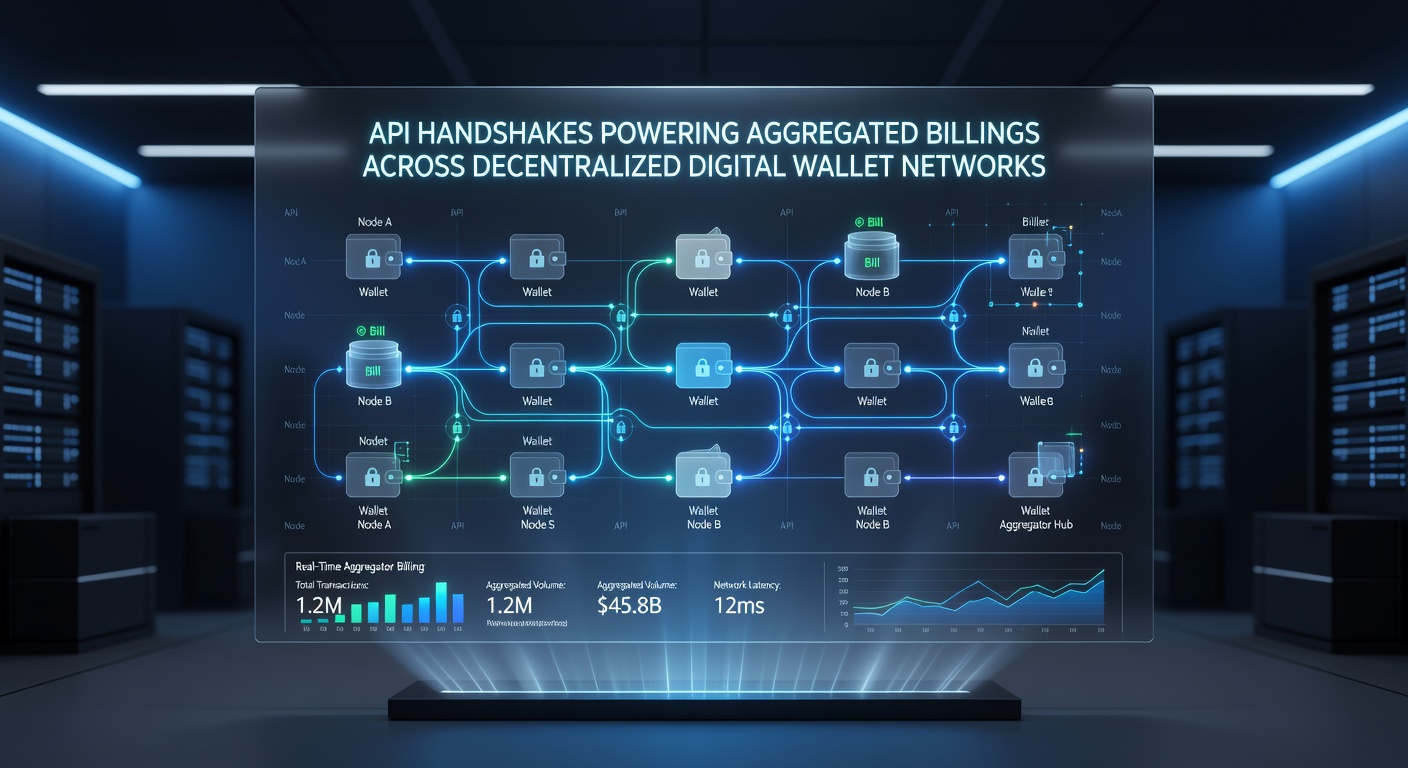
One documented implementation involves a European research consortium that tracked handshake performance across test networks in 2024, and results demonstrated consistent aggregation accuracy rates above 99.2 percent when protocols followed updated TLS extensions tailored for distributed ledgers. Nodes in these setups exchange metadata during the handshake that specifies billing cycle parameters, enabling downstream systems to group transactions without requiring full ledger downloads at every step.
Security and Compliance Considerations in 2026 Operations
As of May 2026, regulatory frameworks in multiple regions require audit trails for all API-driven billing aggregations, and handshakes incorporate logging mechanisms that record each verification step without compromising node anonymity. Compliance tools scan these logs to confirm adherence to data protection standards set by bodies such as the European Central Bank and similar agencies in other jurisdictions. Networks that integrate these requirements report fewer discrepancies during periodic reviews.
Threat models analyzed by security researchers highlight risks like replay attacks during the handshake phase, yet implementations counter these through nonce generation and time-bound session tokens. Data indicates that adoption of post-quantum cryptographic elements in handshake suites increased after 2025 testing phases concluded successfully across several testbeds. Wallet operators continue to refine these elements to maintain resilience as computational capabilities advance.
Integration Patterns Observed in Production Networks
Production deployments often combine API handshakes with smart contract triggers that initiate billing aggregation once verification completes, and this linkage allows automated settlement flows between wallets hosted on different blockchains. A Canadian academic study published in 2025 examined one such integration and found that handshake durations averaged under 180 milliseconds even during peak loads, supporting real-time aggregation for high-volume scenarios. Observers note that these patterns reduce manual reconciliation efforts for network participants.
Additional examples include connections to payment rails managed by regional authorities, where handshakes authenticate wallet nodes before aggregated data crosses into regulated channels. The approach maintains decentralization while satisfying external reporting obligations through selective disclosure of billing summaries.
Conclusion
API handshakes continue to underpin reliable aggregated billings in decentralized digital wallet networks by establishing verified channels that support secure data exchange and consolidation. Evidence from operational metrics and research projects demonstrates consistent performance across expanding network sizes, and ongoing refinements address emerging security and compliance needs. Those who monitor these systems expect further protocol enhancements as wallet usage patterns evolve through 2026 and beyond.